













Before the First Sip: The Quiet Power of Touch in Cocktails
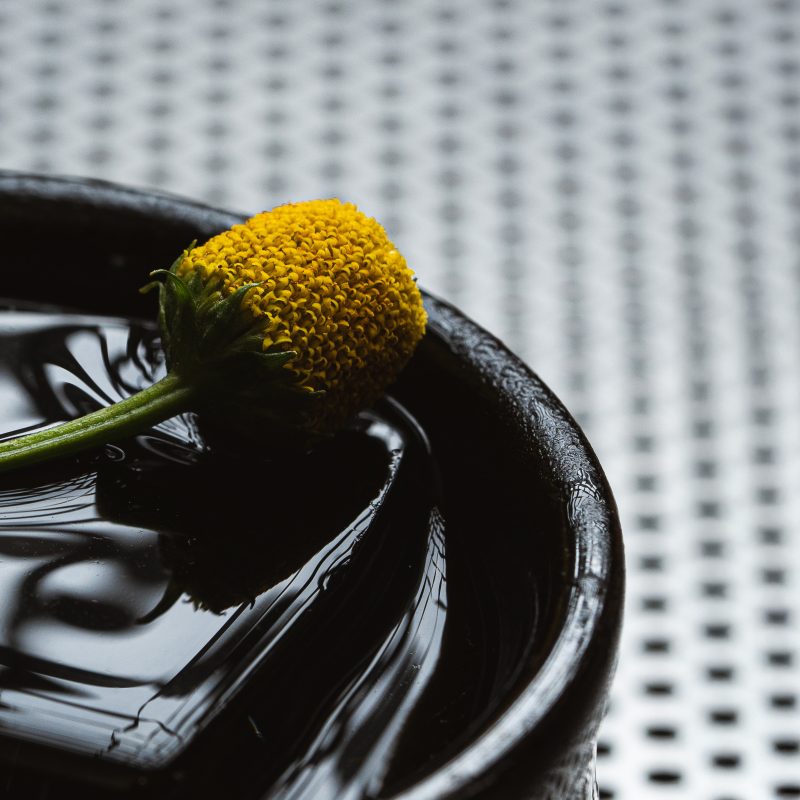
The Five Senses of the Bar explores the bar experience through sight, smell, taste, touch, and hearing. In this chapter, the focus is on touch, often the most overlooked sense guests engage with. Long before a cocktail is judged on flavor or balance, it is felt, through temperature, weight, texture, and the physical signals that quietly communicate care and intention.
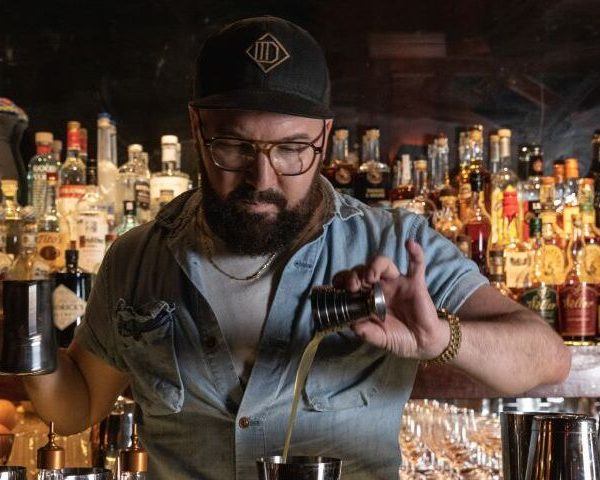
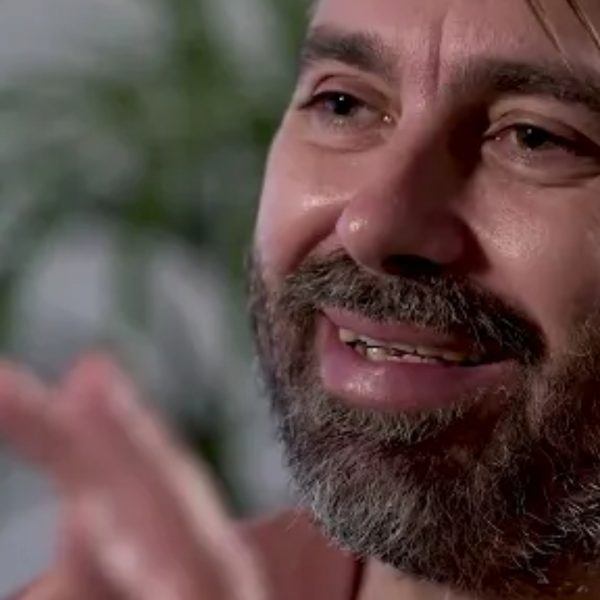
As bars look beyond taste alone, touch has become a powerful way of shaping trust and experience. For Liam Duong, founder of Hybrid in Saigon and Nha Trang, cocktails are designed to feel right from the moment they appear. At Hybrid, touch is not decoration, it is identity.
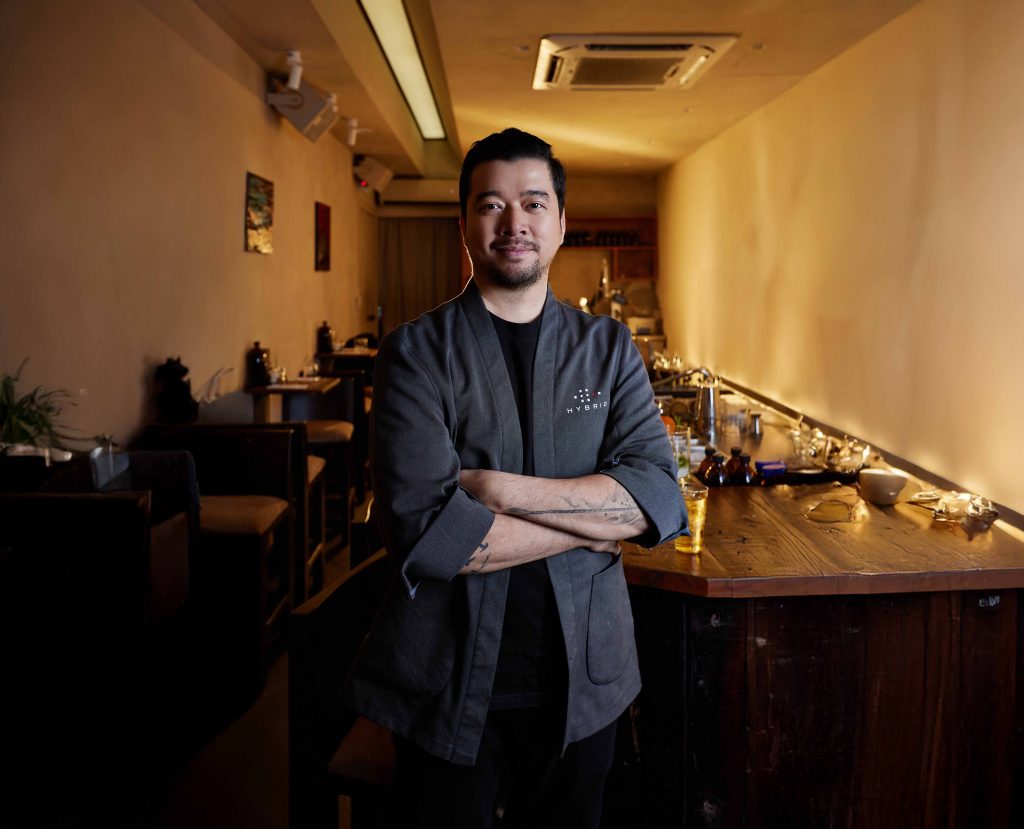
Touch Begins Before the First Sip
When Liam talks about touch, he begins well before a guest lifts the glass. For him, the experience starts with the eyes. A cocktail must set clear expectations and communicate its intent immediately. Visual design is not about spectacle, but honesty—delivering what the drink promises.
“Touch is not just a touch by hands, it’s by all senses.”
Smell follows closely. Aroma is the first attraction, guiding the guest toward flavor. Garnish is never added only for appearance. It exists to support the drink and prepare the palate. Even the shape of the glass matters. A narrow opening keeps aroma close, while a wider opening balances stronger scents. These choices shape how the drink is approached and how it is remembered.
Weight plays its role as well. A heavier glass slows the pace of drinking, encouraging attention and restraint. A lighter glass invites movement and speed. Touch, in this way, controls rhythm. It influences how guests move through a cocktail, not just how they taste it.
Temperature as a Non-Negotiable Ingredient
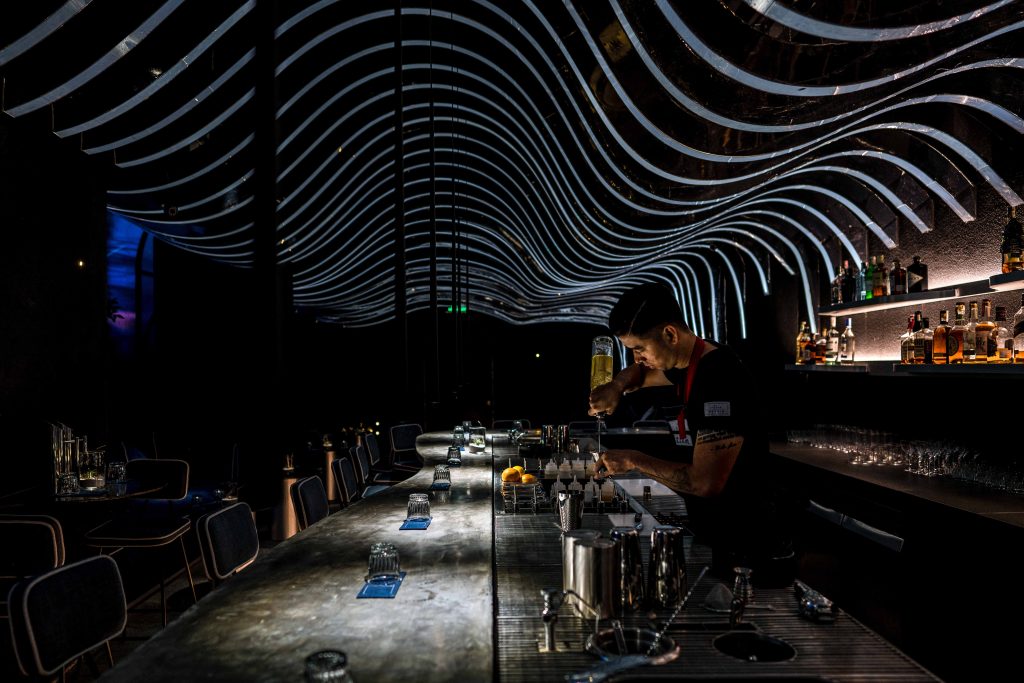
For Liam, temperature is not a final detail, it is an ingredient. A cocktail that is not cold enough cannot succeed, no matter how well the recipe is written. Without the right temperature, alcohol dominates and balance disappears.
Cold brings control. It softens alcohol, sharpens structure, and gives the drink clarity. Experienced drinkers feel this immediately. Even without words, they recognize when a cocktail is served at the right temperature. The sensation creates comfort and confidence.
“If the temperature fails, that cocktail fails.”
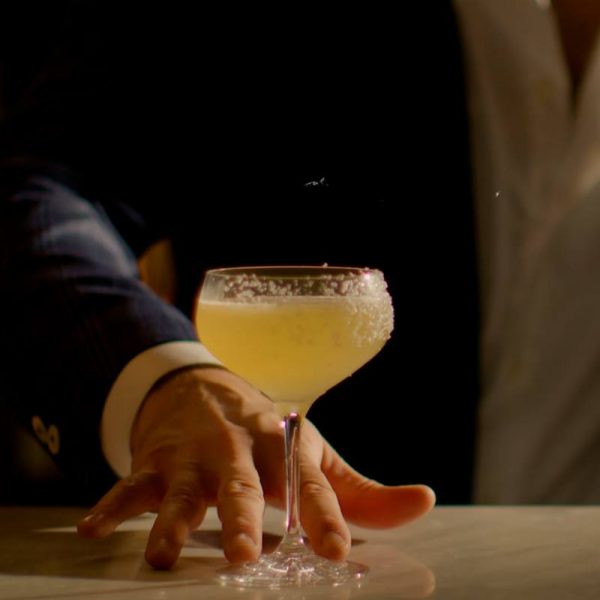
Liam compares it to food served correctly. A steak arriving on a hot plate sends a message before the first bite. In the same way, a properly chilled cocktail communicates care before the first sip. The chill on the lips and the glass in the hand confirm that the drink has been made with intention.
At Hybrid, this belief shapes service. Recipes matter, but temperature matters more. A recipe mistake can sometimes be forgiven. A temperature mistake cannot.
Glassware, Weight, and the Pace of Drinking
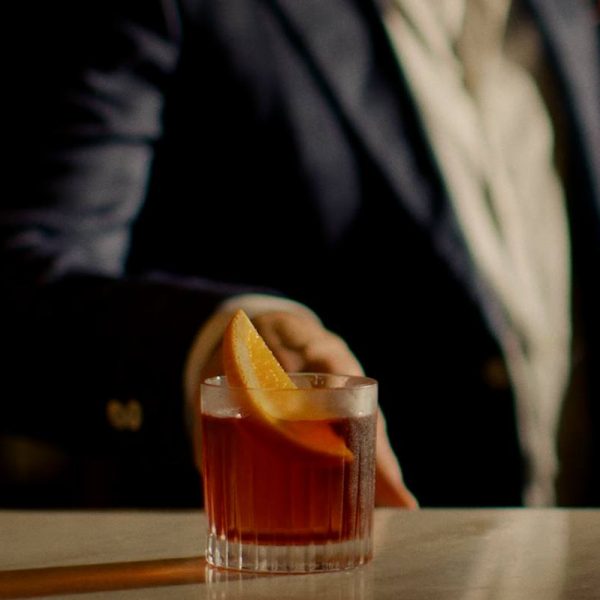
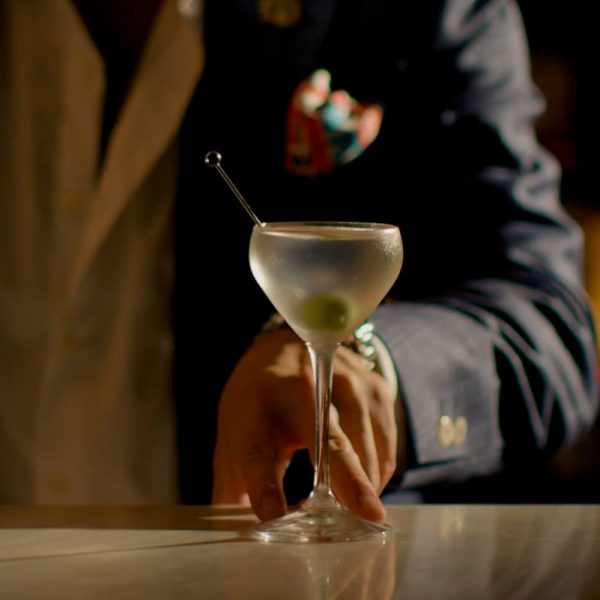
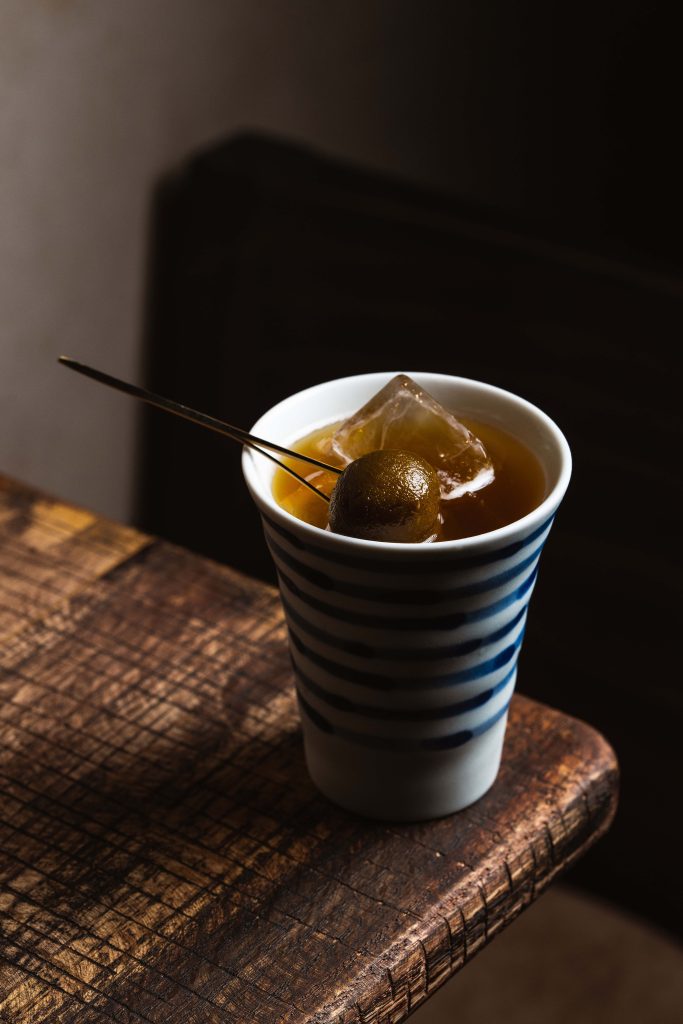
Glassware selection at Hybrid follows a simple but deliberate order. First, the drink must look inviting. Then it must feel right in the hand. Only after that does flavor complete the experience.
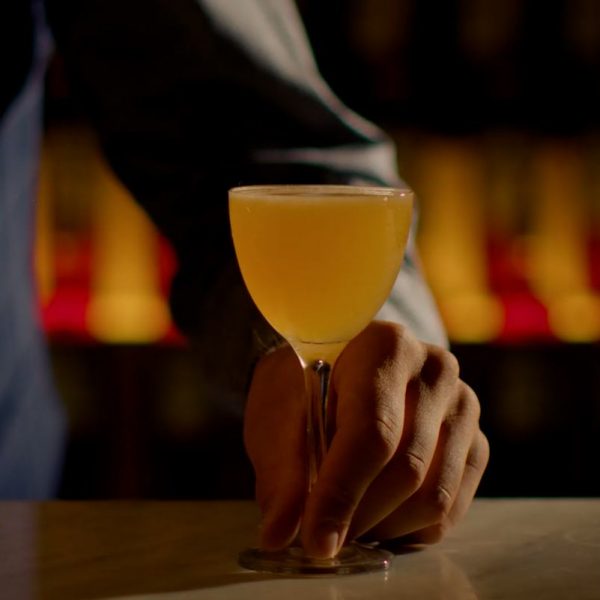
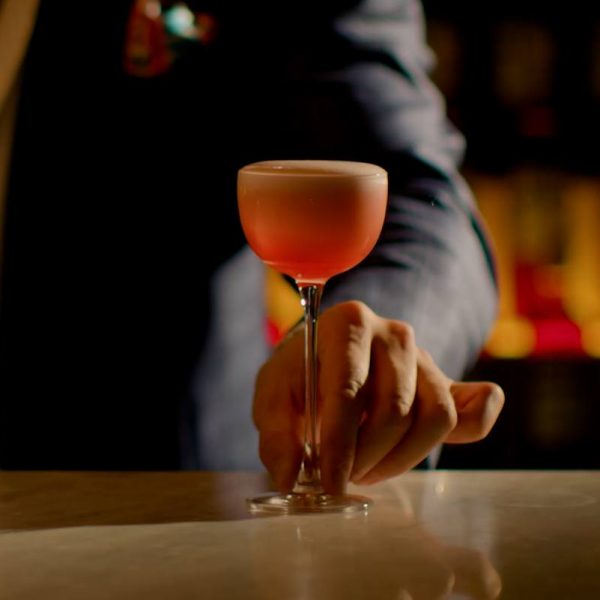
Touch sits between desire and taste. A glass that feels wrong, too warm, too light, too awkward, creates doubt before the drink reaches the mouth. A glass that feels right builds anticipation. It encourages the guest to engage, to slow down, and to trust what they are about to drink.
“Look: make it sexy. Hand: make it thirsty. Drink: make it delicious.”
In Vietnam’s climate, these decisions become even more important. Many bars operate outdoors, where heat and humidity challenge temperature control. At Hybrid, thicker glassware helps retain cold. Smaller portions encourage guests to drink before warmth takes over. Glasses are chilled whenever possible, even when it is not common practice. These choices are not about perfection. They are about respect, for the drink and for the guest.
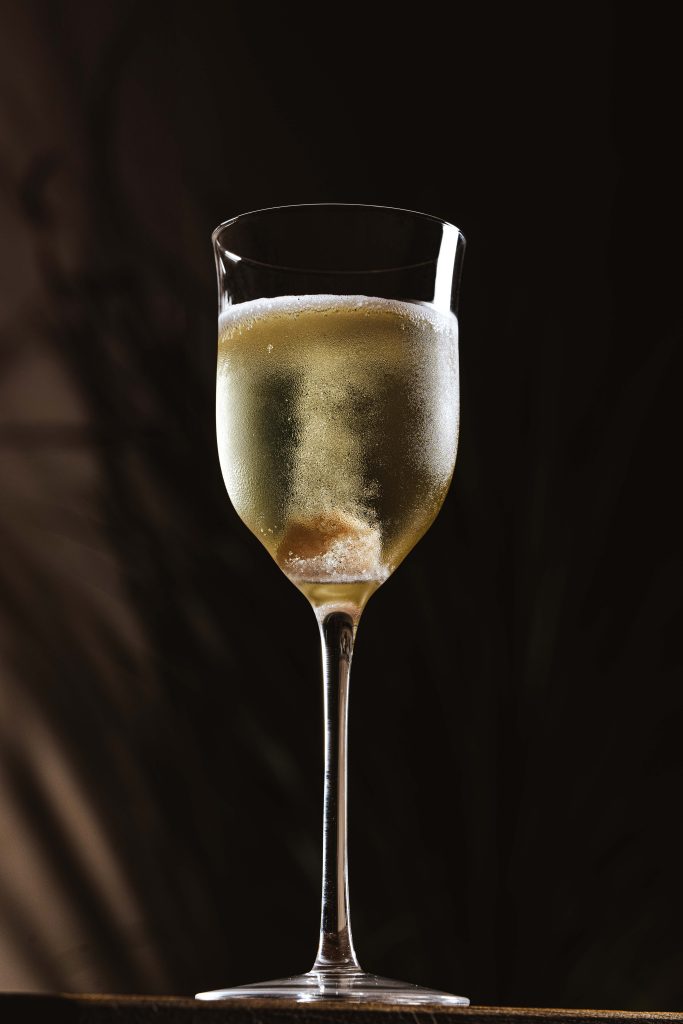
Ice as Technique, Not Decoration
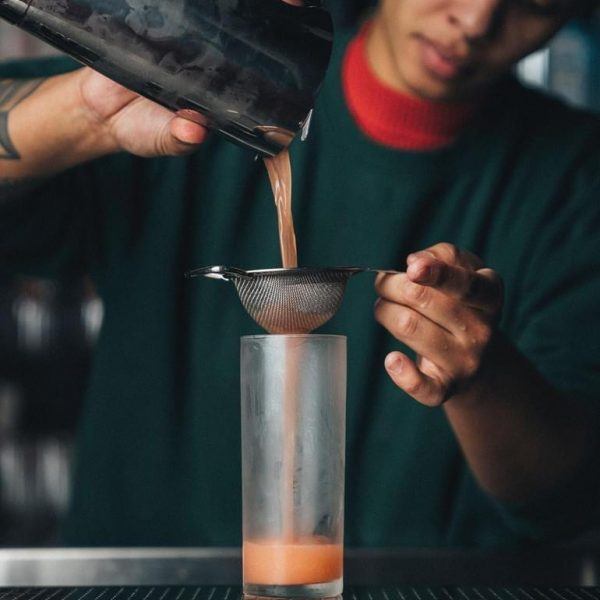
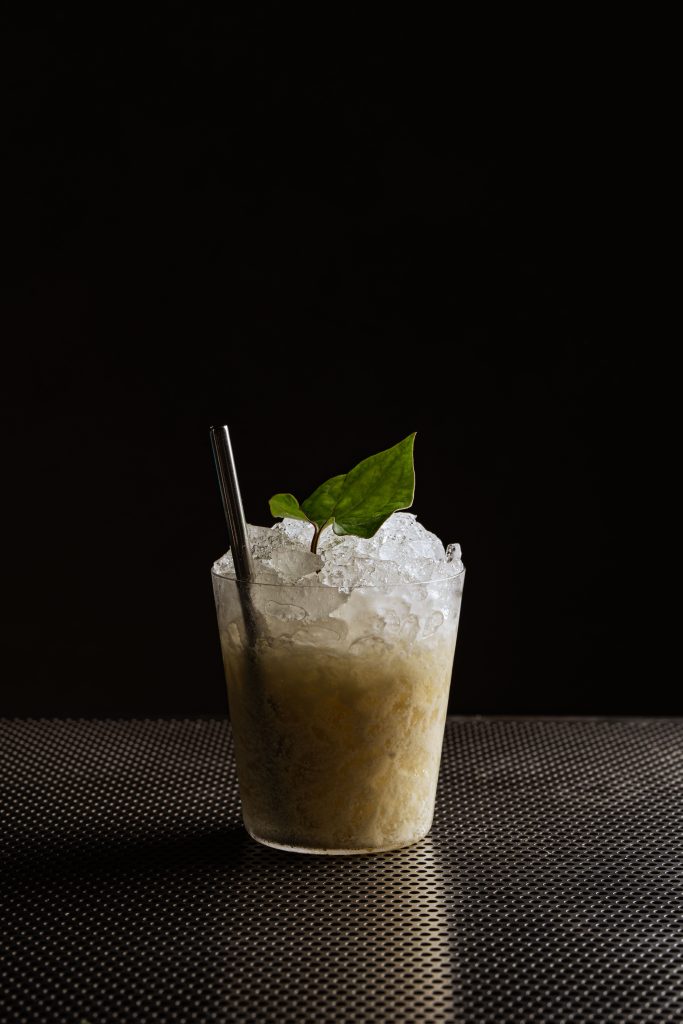
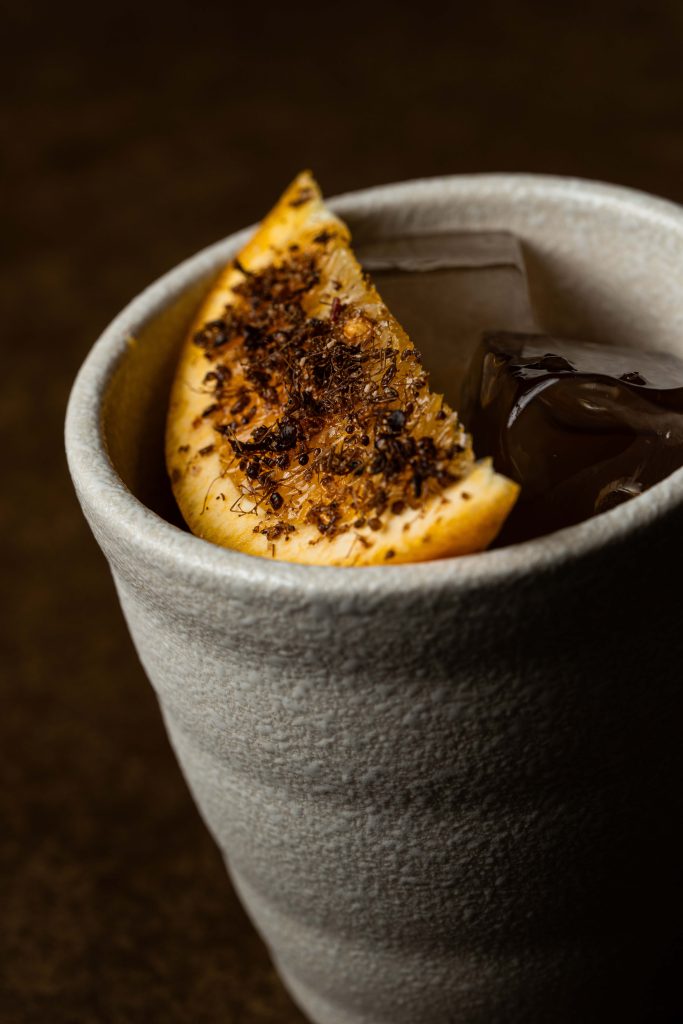
Ice is where Liam’s philosophy becomes most technical. He sees it as one of the most critical elements in a cocktail. Ice controls dilution, manages temperature, shapes texture, and defines visual identity.
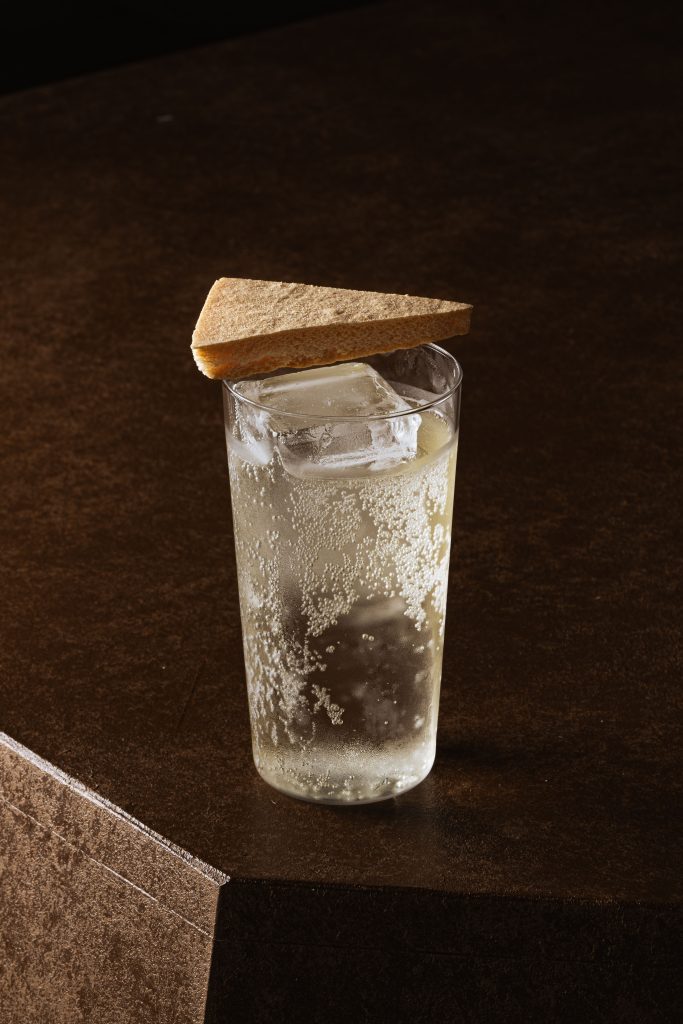
Different drinks require different ice. A tiki cocktail, a refreshing highball, a spirit-forward serve, or a sweet-and-sour format each needs a specific relationship between ice, liquid, and time. Size, density, and type of ice affect how fast a drink opens up, how long it stays cold, and how it feels on the palate.
“Ice is more important than a good cocktail recipe.”
Liam believes ice is often misunderstood. Ice changes from bar to bar. It can be softer or harder, smaller or larger. These differences affect shaking, stirring, temperature, and dilution. Using unfamiliar ice without adjusting technique can quietly change a cocktail’s outcome.
At Hybrid, ice is treated as a core skill. Staff are taught that understanding ice is not advanced knowledge, it is basic responsibility. Quality ice, proper dilution, chilled glassware, and temperature awareness are fundamentals. They are not complicated, but they demand focus.
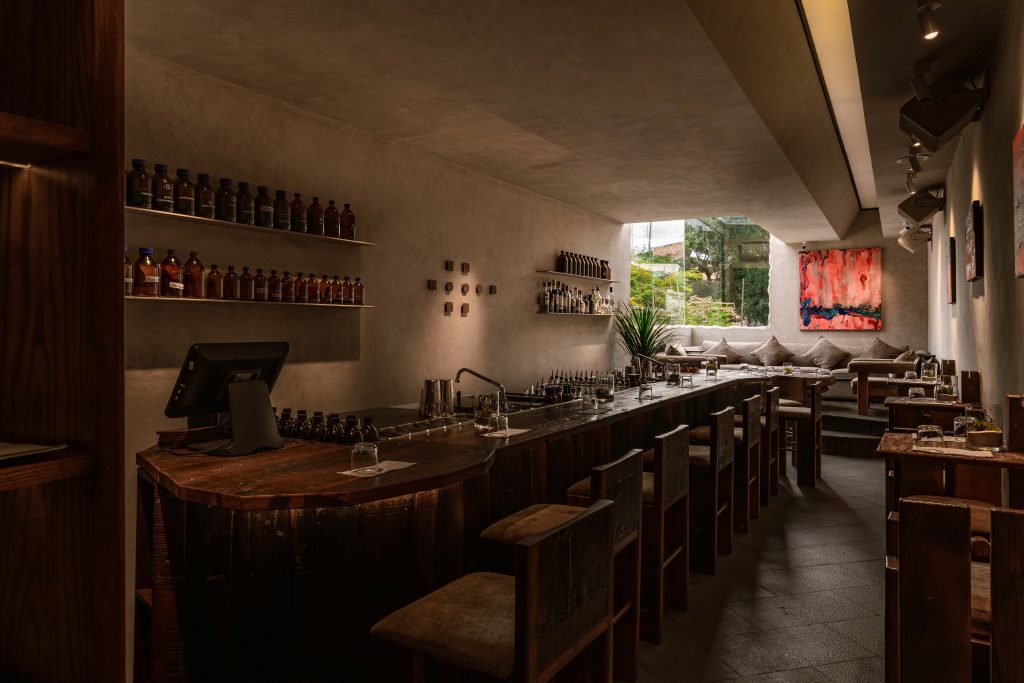
Touch, in Liam’s approach, is not about adding layers or chasing trends. It is about removing carelessness. By focusing on fundamentals, temperature, ice, glassware, and physical experience, Hybrid creates cocktails that feel considered and complete.
In the end, touch becomes more than a sensory detail. It becomes a way of communicating values. It shapes how guests slow down, how they trust what is in the glass, and how they remember the experience long after the drink is finished. Touch is not atmosphere. It is identity.
More Articles
Article
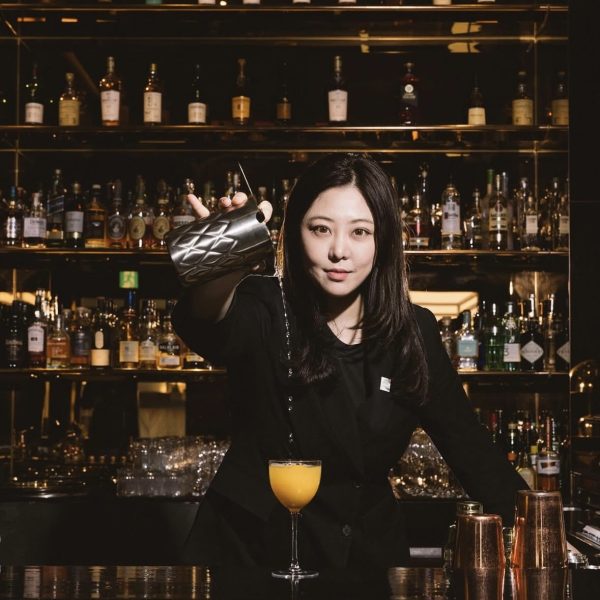
The future is yours to create: So-yeon Kim (Alice)So-yeon Kim, also known as Alice, is a bartender based in South Korea whose approach to hospitality is rooted in emotional awareness and quiet observation. Drawn to bartending through curiosity rather than convention, she sees cocktails as moments shaped by memory, mood, and human connection. As a Campari Red Hands APAC 2025 finalist for South […]
Article
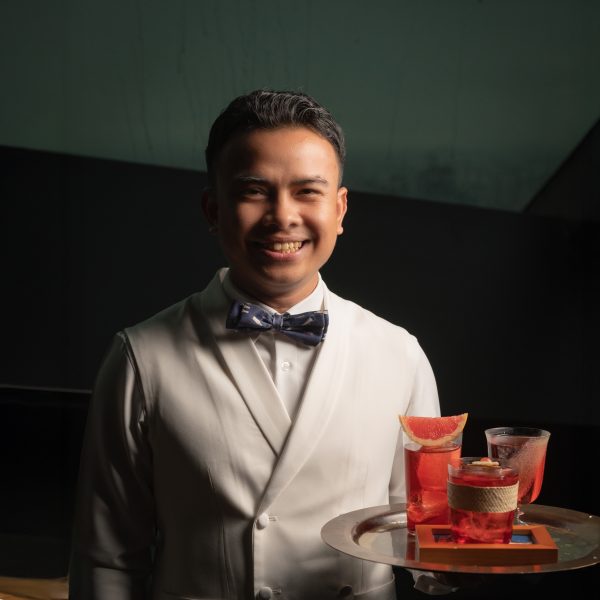
The future is yours to create: Phirun LekPhirun Lek is a lead bartender at SORA Phnom Penh, a venue that marked both the beginning and the foundation of his bartending career. Starting in hospitality through service roles before finding his place behind the bar, his journey reflects steady growth shaped by curiosity, practice, and people. With a mindset rooted in learning and […]

Article
Drink Like a Local: Macau with Frankie LeongExplore Macau with Frankie Leong, to discover a compact city where Chinese and Portuguese cultures meet through layered histories, late-night rituals, comfort-driven food, and a quietly evolving cocktail scene. Macau is often described through contrast: a city shaped by centuries of exchange between East and West, where Chinese traditions and Portuguese heritage coexist in daily […]
Article
The future is yours to create: Liu Yuan (Kim)Liu Yuan, also known as Kim, is a bartender at Wing Lei Bar in Macau whose journey into hospitality began with curiosity rather than convention. Drawn into the world of cocktails through a single, formative experience, she approaches bartending with a balance of discipline, creativity, and openness to discovery. As the first bartender from Macau […]
Article
The future is yours to create: Thanesh JoelThanesh Joel is a bartender whose relationship with hospitality is shaped less by ambition and more by curiosity. Based in Penang and deeply rooted at Backdoor Bodega, his work reflects a mindset driven by understanding, of flavour, systems, and human behaviour. As the Campari Red Hands APAC 2025 finalist for Malaysia, he approaches competition not […]

Article
The future is yours to create: Hiroyuki YamadaHiroyuki Yamada is a bartender at Bee’s Knees in Kyoto, whose path into hospitality began quietly during his student years. What started as a part-time job at an izakaya became a long-term commitment to service, shaped by daily human interaction and cultural exchange. As the Campari Red Hands APAC 2025 finalist for Japan, he approaches […]
Discover More
Article
Designed to Be Seen: Visual Intention Behind the CocktailThe Five Senses of the Bar explores the bar experience through sight, smell, taste, touch, and hearing. In this chapter, the focus is on sight, often the most immediate sense guests engage with. Before a drink is tasted or explained, it is seen, its color, form, and presentation quietly shaping expectation from the moment it […]
Article
Scent Is Service: How Smell Shapes the Bar ExperienceThe Five Senses of the Bar explores the bar experience through sight, smell, taste, touch, and hearing. In this chapter, the focus is on smell, often the first and most immediate sense guests engage with. Long before a menu is opened or a drink is poured, scent shapes expectation the moment a door opens, quietly […]
Article
From BPM to Belonging: How Music Shapes the Bar ExperienceThe Five Senses of the Bar explores the bar experience through sight, smell, taste, touch, and hearing. In this chapter, the focus is on sound, often the first sense guests engage with. Long before taste or aroma, music sets the tone the moment a door opens, signaling what kind of space it is, how to […]

Training
A Guide to Cocktail GlasswareDid you know that using the wrong type of glass can actually impact the flavor of your drinks? From the V-shaped martini glass to old fashioned tumblers, swot up on the different types of glasses.
Article
Practice makes perfect: Learning your craftIt is true that theory is the foundation to start from, but nothing beats practice when it comes to learning your art, passion or profession. We spoke to three craftspeople to discover how experiences from other environments can influence a bartender’s approach to their craft It might sound like a cliché, but rarely will you […]
Article
Extracting flavour: Marcis Dzelzainis on how to use an alembic stillFor the sixth installment of our extracting flavour series, bartender and co-founder of Idyll Drinks Marcis Dzelzainis talks alembic stills, from its origins to creating hydrosols and hydrolats – and how it compares to the rotovap. If you’ve visited distilleries, the most common type of still you’re likely to have come across is the alembic still. […]