





From BPM to Belonging: How Music Shapes the Bar Experience
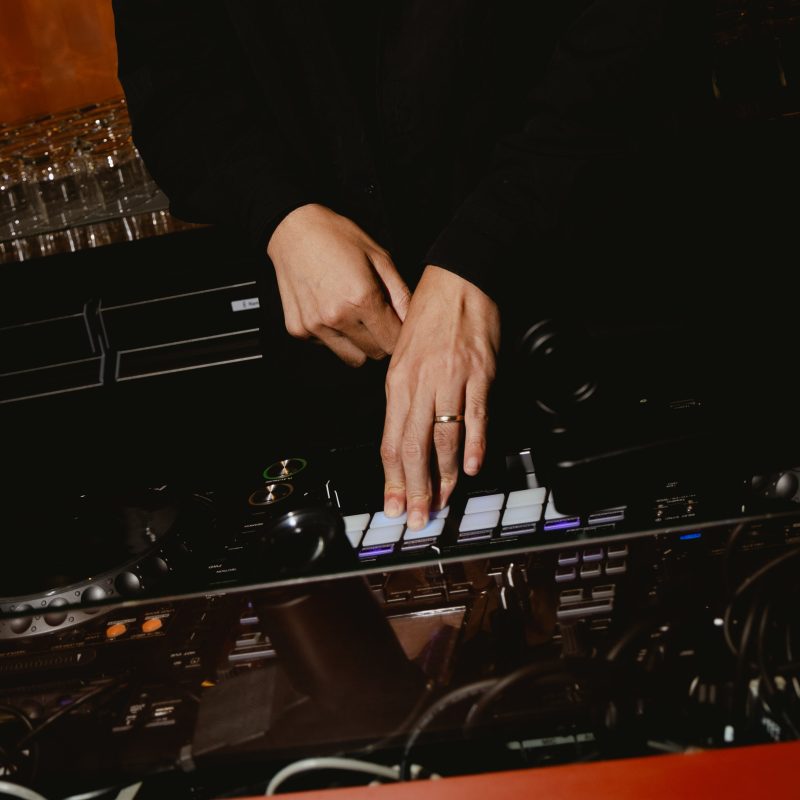
The Five Senses of the Bar explores the bar experience through sight, smell, taste, touch, and hearing. In this chapter, the focus is on sound, often the first sense guests engage with. Long before taste or aroma, music sets the tone the moment a door opens, signaling what kind of space it is, how to behave, and what kind of night might unfold.
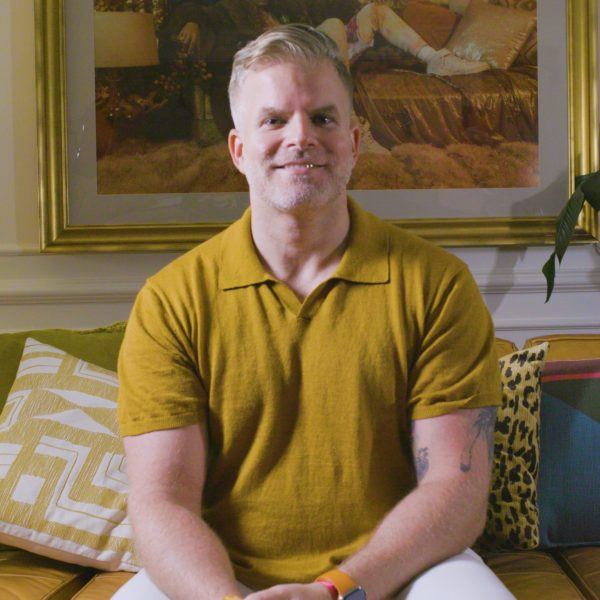
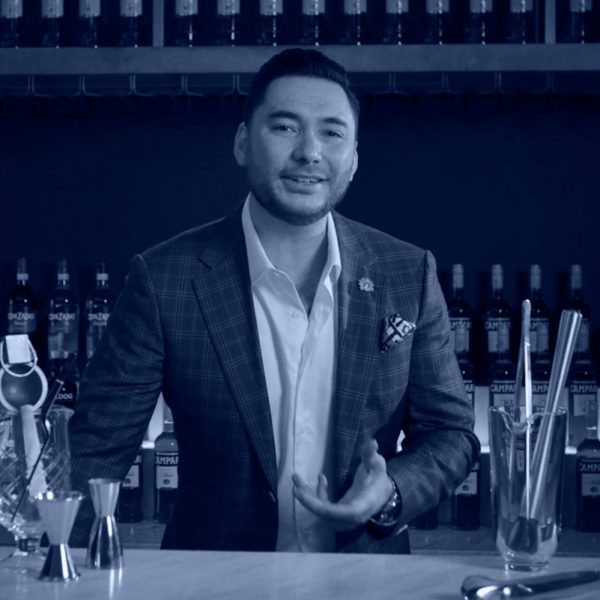
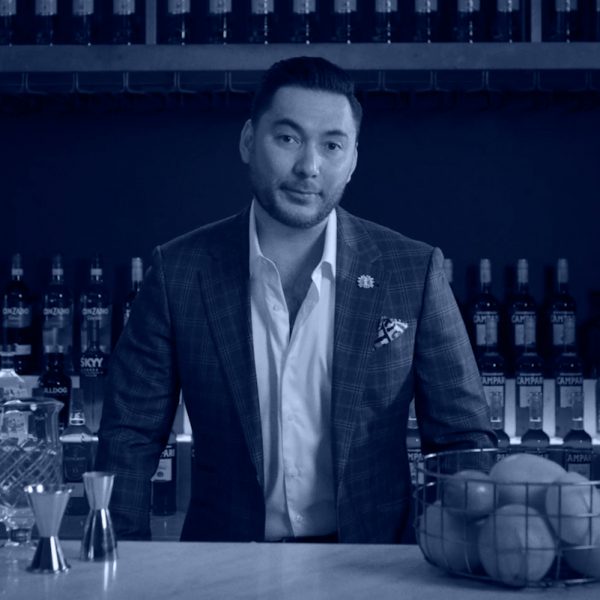
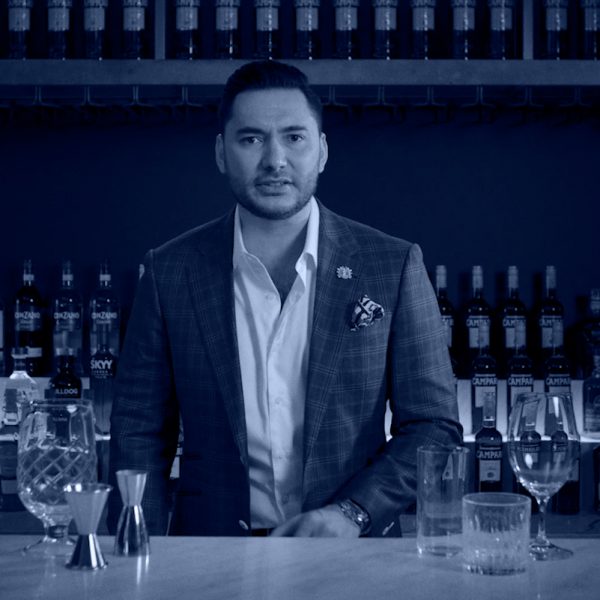
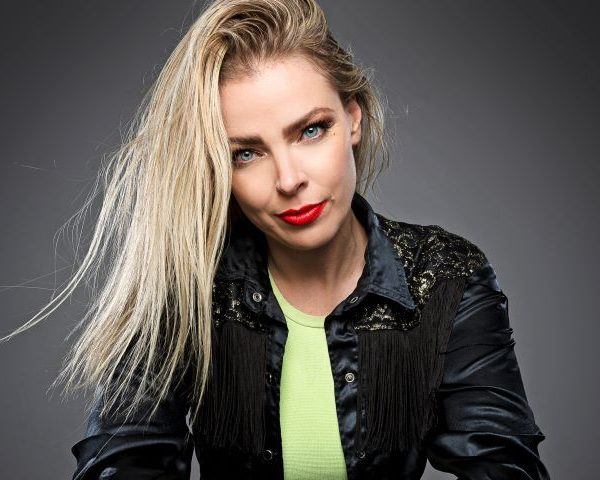
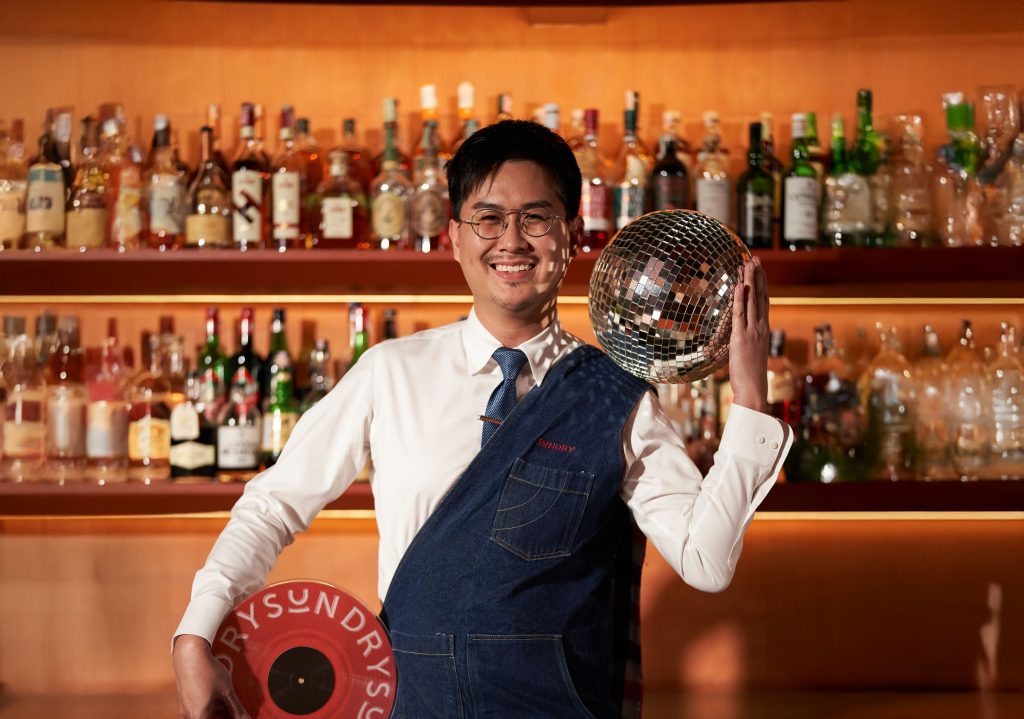
As bars increasingly look beyond cocktails alone, hearing has become one of the most powerful tools in shaping identity and community. For Shaun Ling, founder of Sundry in Bangkok, music isn’t background, it’s the foundation.
Hearing Comes First: From Dance Floor to Micro-Club
For Shaun, sound has always been a language. Growing up immersed in club culture, early dance floors became sanctuaries where self-expression didn’t rely on words. Music created spaces where people could let their guard down, connect freely, and feel a sense of belonging. These environments brought together people from different walks of life, forming friendships that have lasted well beyond those nights.
Those early experiences shaped Shaun’s belief that when words fall short, sound steps in. A track can capture emotion, release tension, and create shared understanding in ways language often cannot. This idea now sits at the center of how he thinks about bars, not simply as places to drink, but as spaces that give people permission to express themselves fully.
“Music became a language for us. When words fall short, sound steps in.”
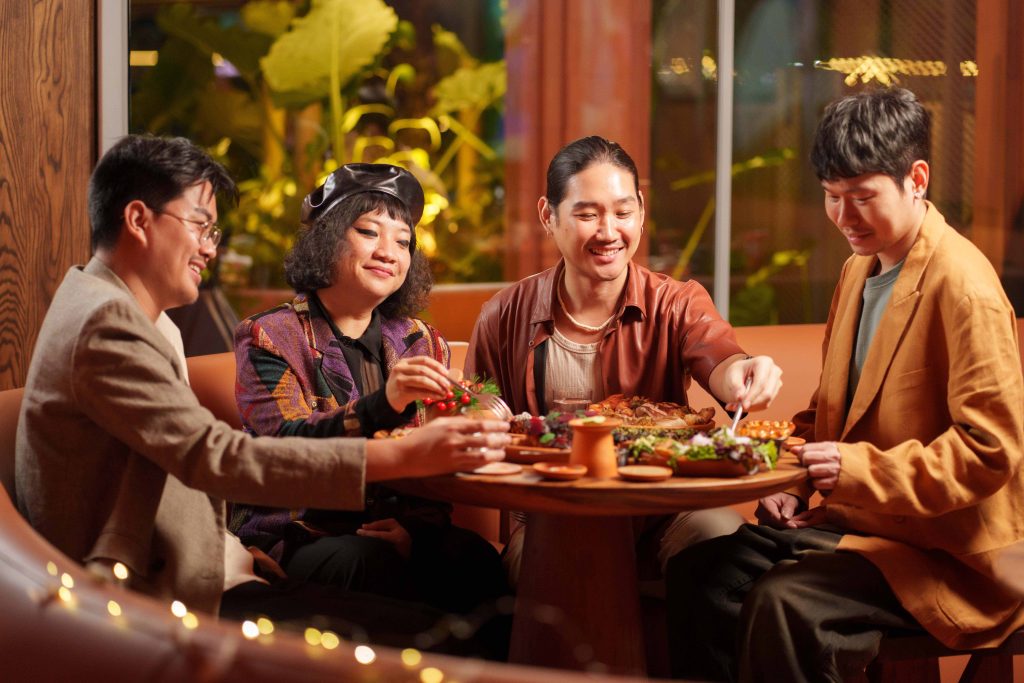
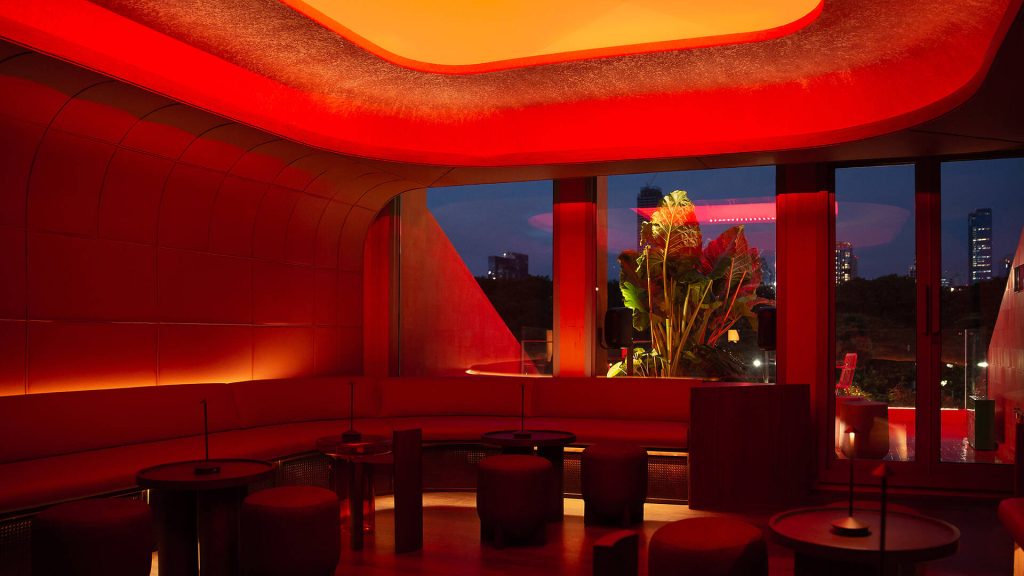
That philosophy became the foundation for Sundry. From the beginning, Shaun envisioned the bar as a micro-club, an intimate space designed to recreate the positive intensity he experienced earlier in his life. The aim was immediacy. Guests should feel welcome, energized, and part of something the moment they step inside, without needing explanation or performance.
Rather than replicating a club outright, Sundry distills that energy into a smaller, more personal format. Music leads the experience, but connection sustains it, allowing the atmosphere to feel liberating without becoming overwhelming.


Defining the Sound of Sundry
Sonically, Sundry draws from a wide but intentional range of influences. Shaun points to the precision of high-fidelity club systems, the raw spirit of underground spaces, and the openness and inclusivity of queer culture. Rather than adhering to a single genre, these references form a shared musical language.
The sound moves fluidly between classic house, electro, and rhythmic pop, anchored by the steady, unifying pulse of house music. Vocals play a central role, chosen for their sense of liberation and emotional clarity. The goal isn’t nostalgia or trend-chasing, but coherence, a sound that feels confident, immersive, and emotionally legible.
“Cool isn’t about trends. It’s about something timeless, confident, and immersive.”
For Shaun, “cool” isn’t about what’s current. It’s about what lasts. Music at Sundry is designed to energize guests fully while keeping them present, encouraging immersion without excess. The intention is to create an experience where people feel intoxicated by sound rather than overwhelmed by it.

From BPM to Taste: Shaping Energy in the Room
At Sundry, energy isn’t driven by loudness. Tempo matters more than volume. BPM becomes a tool for alignment rather than force. Each night is treated like a first date with the room, where the DJ’s role is to read the crowd, communicate through sound, and gradually lift the collective mood.
As the tempo rises, the room opens up. Conversations loosen, movement becomes more expressive, and social barriers begin to dissolve. This shift is subtle but unmistakable. The bar team plays a key role in supporting it. Bartenders aren’t just there to serve drinks; they are trained to guide interaction, spark conversation, and encourage genuine self-expression. Sound and service work together to shape how people feel and behave.
“Energy isn’t about volume. Tempo matters more than loudness.”
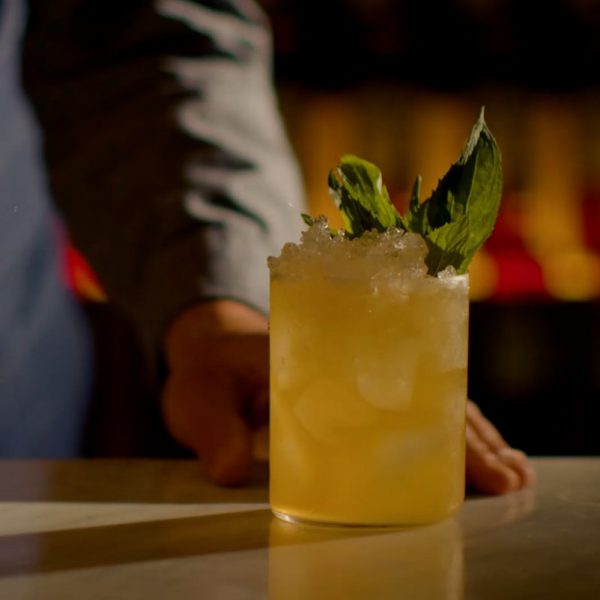
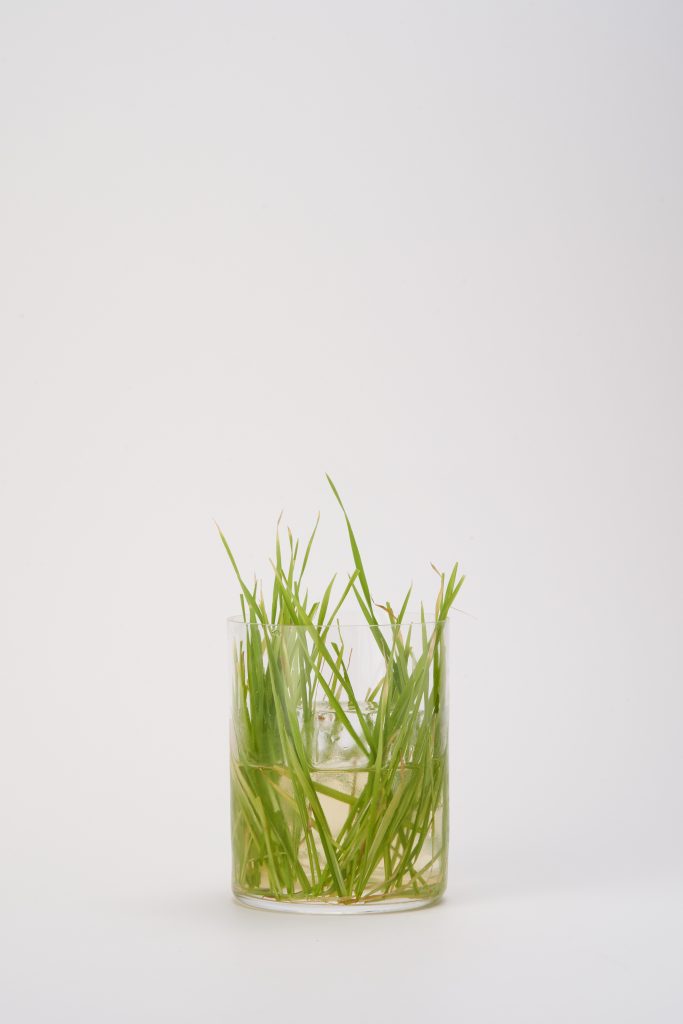
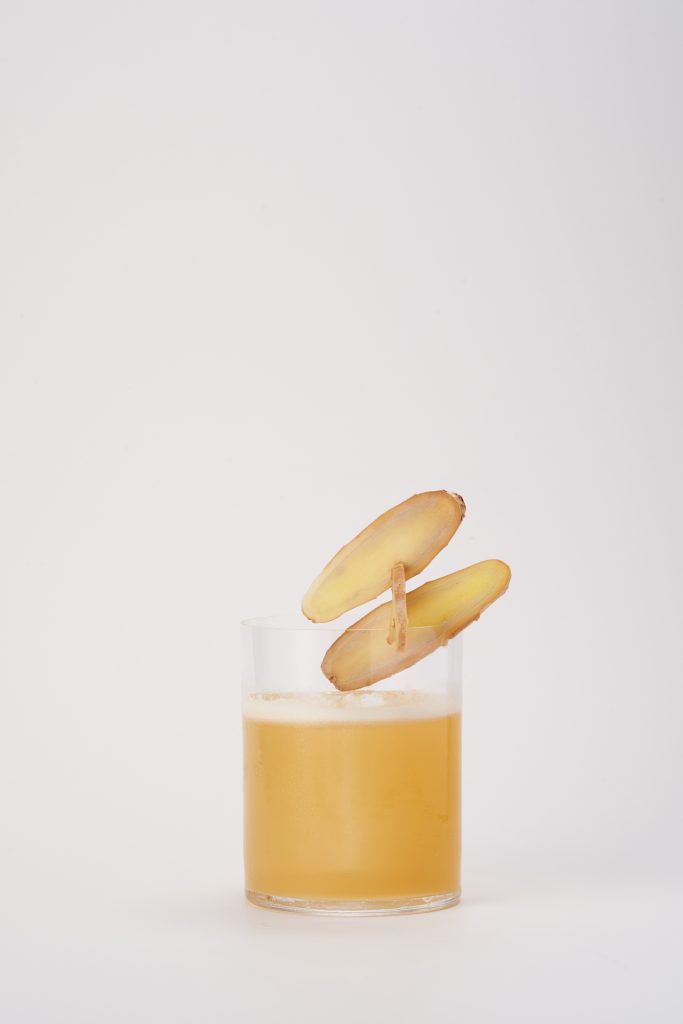
Music also influences how guests drink. At Sundry, sound is often described as the invisible enabler. When the right track lands at the right moment, it creates a surge of energy that pushes people to lean further into the night. Punchier beats tend to inspire bolder, stronger cocktail choices, while brighter, more uplifting sounds draw guests toward fresher, lighter flavors.
The menu is designed as a liquid counterpart to the music, allowing sound and taste to rise together as the evening builds.
Building Culture Through Sound
For Shaun, music is deeply personal. It has accompanied him through every emotional stage of life, acting as both a creative and healing force. That relationship shapes how Sundry approaches its programming. Rather than imposing rigid briefs, the team seeks DJs who share a similar emotional connection to music or who intuitively understand its power.
“Music brings people together, but belonging is something you have to actively build.”
In a competitive city like Bangkok, this commitment to sound has helped Sundry find its audience. From the outset, the bar positioned itself as a cocktail club rooted in curated house music, reviving a sensibility that values both drinks and dance-floor energy. The result isn’t just foot traffic, but loyalty. Many guests don’t simply visit Sundry; they return to it, treating the space as a second home shaped by rhythm and familiarity.
While music naturally brings like-minded people together, Shaun is clear that sound alone doesn’t build community. What sustains it is the effort invested in creating belonging. Music amplifies values, but relationships make them last.

At Sundry, hearing isn’t an accessory to the bar experience. It’s the foundation. When sound is treated as identity rather than ambiance, a bar becomes more than a place to drink. It becomes a cultural space shaped by rhythm, connection, and shared energy, felt long before the first sip, and remembered long after the music fades.
More Articles
Article
The future is yours to create: So-yeon Kim (Alice)So-yeon Kim, also known as Alice, is a bartender based in South Korea whose approach to hospitality is rooted in emotional awareness and quiet observation. Drawn to bartending through curiosity rather than convention, she sees cocktails as moments shaped by memory, mood, and human connection. As a Campari Red Hands APAC 2025 finalist for South […]
Article
The future is yours to create: Phirun LekPhirun Lek is a lead bartender at SORA Phnom Penh, a venue that marked both the beginning and the foundation of his bartending career. Starting in hospitality through service roles before finding his place behind the bar, his journey reflects steady growth shaped by curiosity, practice, and people. With a mindset rooted in learning and […]

Article
Drink Like a Local: Macau with Frankie LeongExplore Macau with Frankie Leong, to discover a compact city where Chinese and Portuguese cultures meet through layered histories, late-night rituals, comfort-driven food, and a quietly evolving cocktail scene. Macau is often described through contrast: a city shaped by centuries of exchange between East and West, where Chinese traditions and Portuguese heritage coexist in daily […]
Article
The future is yours to create: Liu Yuan (Kim)Liu Yuan, also known as Kim, is a bartender at Wing Lei Bar in Macau whose journey into hospitality began with curiosity rather than convention. Drawn into the world of cocktails through a single, formative experience, she approaches bartending with a balance of discipline, creativity, and openness to discovery. As the first bartender from Macau […]
Article
The future is yours to create: Thanesh JoelThanesh Joel is a bartender whose relationship with hospitality is shaped less by ambition and more by curiosity. Based in Penang and deeply rooted at Backdoor Bodega, his work reflects a mindset driven by understanding, of flavour, systems, and human behaviour. As the Campari Red Hands APAC 2025 finalist for Malaysia, he approaches competition not […]

Article
The future is yours to create: Hiroyuki YamadaHiroyuki Yamada is a bartender at Bee’s Knees in Kyoto, whose path into hospitality began quietly during his student years. What started as a part-time job at an izakaya became a long-term commitment to service, shaped by daily human interaction and cultural exchange. As the Campari Red Hands APAC 2025 finalist for Japan, he approaches […]
Discover More
Article
Designed to Be Seen: Visual Intention Behind the CocktailThe Five Senses of the Bar explores the bar experience through sight, smell, taste, touch, and hearing. In this chapter, the focus is on sight, often the most immediate sense guests engage with. Before a drink is tasted or explained, it is seen, its color, form, and presentation quietly shaping expectation from the moment it […]
Article
Scent Is Service: How Smell Shapes the Bar ExperienceThe Five Senses of the Bar explores the bar experience through sight, smell, taste, touch, and hearing. In this chapter, the focus is on smell, often the first and most immediate sense guests engage with. Long before a menu is opened or a drink is poured, scent shapes expectation the moment a door opens, quietly […]
Article
Before the First Sip: The Quiet Power of Touch in CocktailsThe Five Senses of the Bar explores the bar experience through sight, smell, taste, touch, and hearing. In this chapter, the focus is on touch, often the most overlooked sense guests engage with. Long before a cocktail is judged on flavor or balance, it is felt, through temperature, weight, texture, and the physical signals that […]
Article
How four bartenders turned the soda business on its headFrom working behind the bar to researching soda recipes and signing a €45m deal, the Three Cents journey has been a successful one. So, how did four Greek bartenders turn their curiosity into big business? In the midst of dark times, such as the ones developing during the Great Depression at the beginning of 1930s, […]
Training
Discover Wild Turkey, the bourbon from Wild Turkey HillDiscover the history, production and tasting notes of Wild Turkey bourbon whiskey with our training videos.
Training
Cognac, The French Spirit Par ExcellenceCognac is more than a spirit – coming from a refined process of distillation and blending of eaux-de-vie, it’s considered one of the best of its kind. Find out all about this French mixology staple.