






Scent Is Service: How Smell Shapes the Bar Experience
The Five Senses of the Bar explores the bar experience through sight, smell, taste, touch, and hearing. In this chapter, the focus is on smell, often the first and most immediate sense guests engage with. Long before a menu is opened or a drink is poured, scent shapes expectation the moment a door opens, quietly signaling care, intention, and whether a space feels considered or careless.
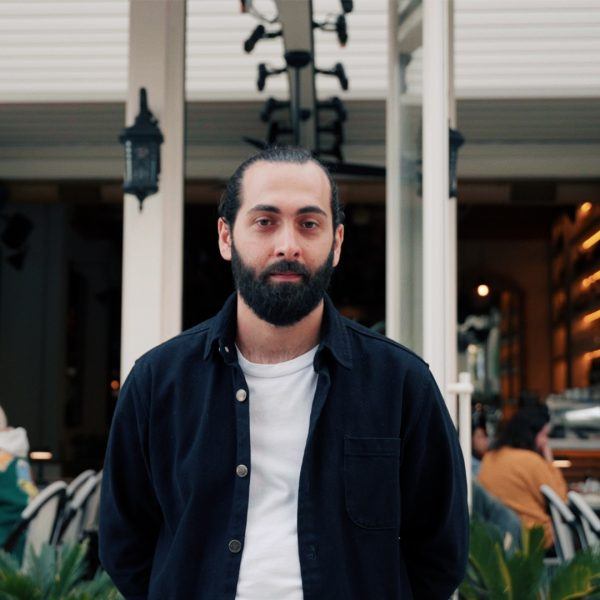
As bars increasingly look beyond cocktails alone, smell has become one of the most powerful tools in shaping comfort, trust, and memory. For Yugnes Susela, founder of The Elephant Room in Singapore, scent isn’t atmosphere, it’s service. From the aroma of the room to the first inhale of a drink, smell defines how guests feel before anything is said, poured, or explained.
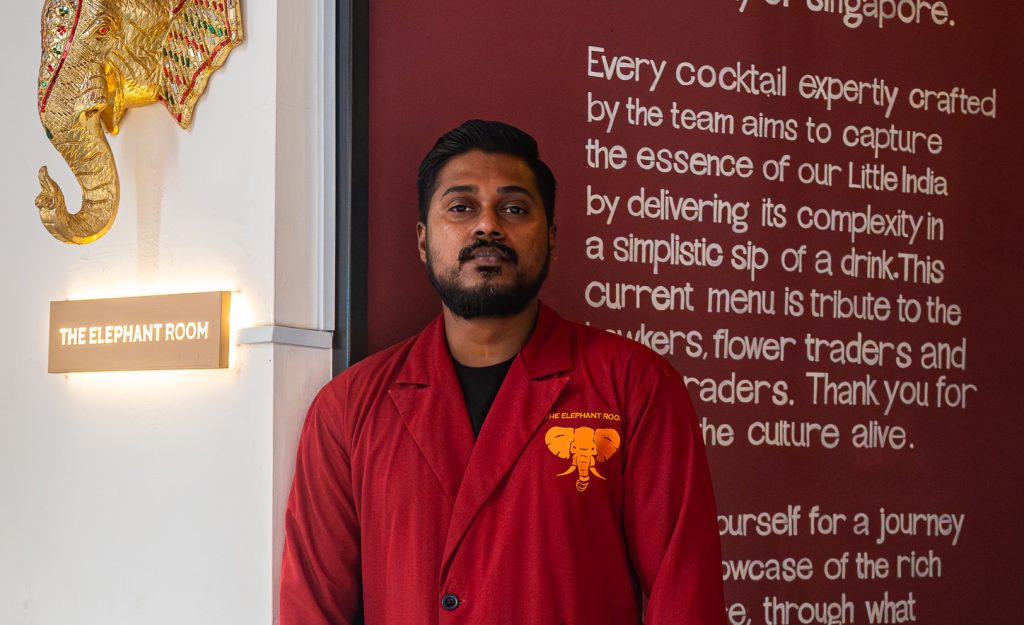
The First Welcome Happens Before a Word Is Spoken
Service, in Yugnes’ view, starts before any interaction between guest and bartender. The room itself delivers the first impression. Smell becomes a silent handshake, a signal that care has been taken long before the guest arrives. If the room feels neglected, the experience is already compromised. If it feels considered, people relax without knowing why.
“Before I say hello, before a drink hits the bar, guests are already judging us by how the room smells.”
Unlike lighting or music, scent cannot be explained away. It is immediate and unforgiving. This makes it powerful, but also demanding. At The Elephant Room, it means cleanliness, freshness, and attention to detail are non-negotiable. Smell exposes shortcuts instantly, shaping how guests perceive everything that follows.
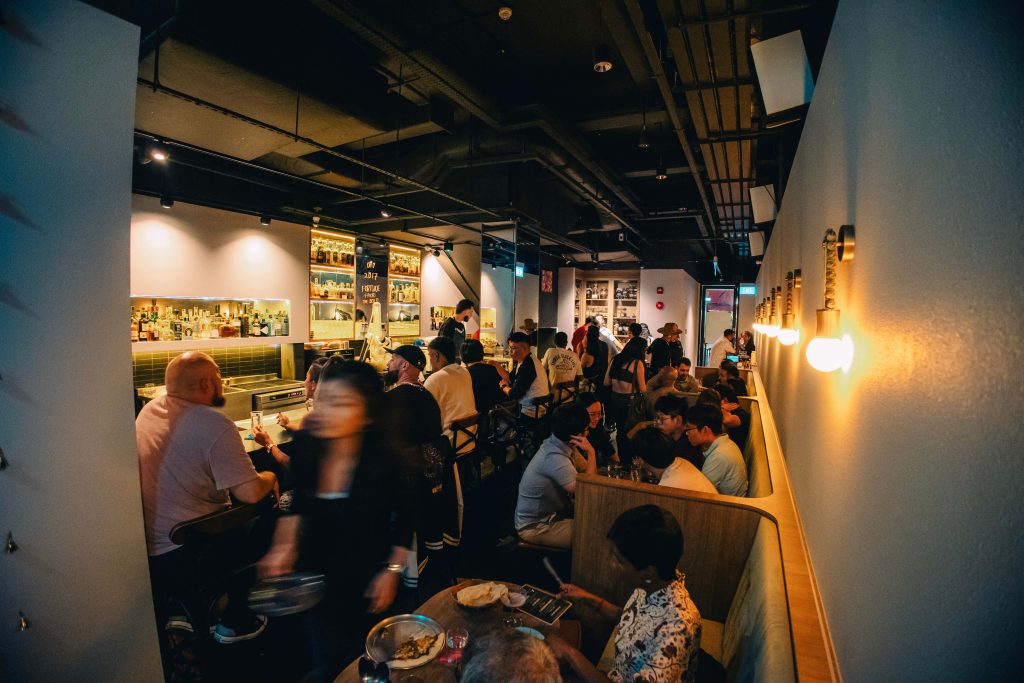
Comfort Before Curiosity
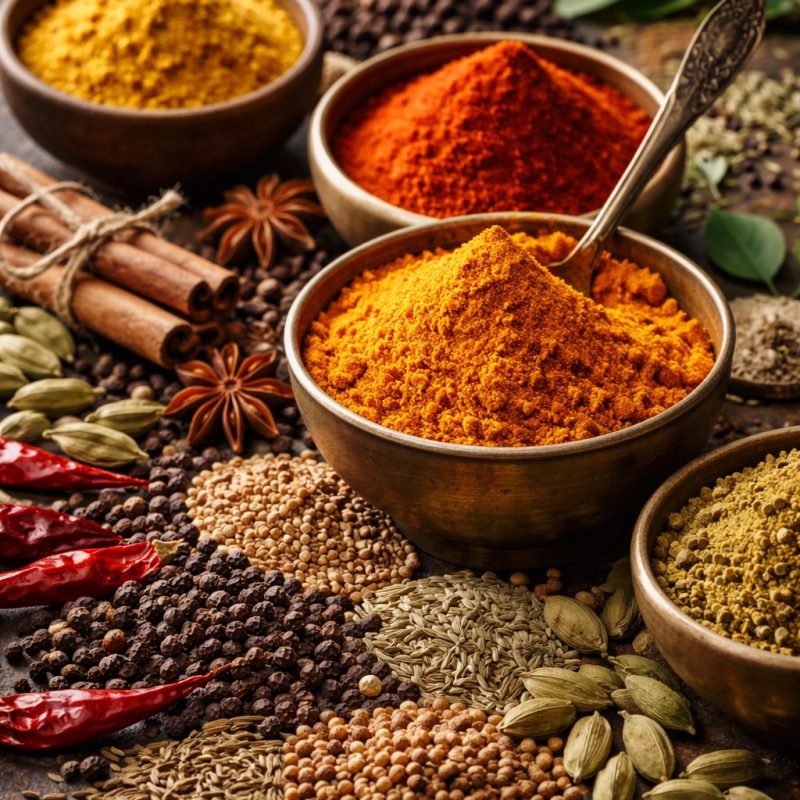
The aromas that define The Elephant Room are not designed to shock or impress. They are familiar, warm, and grounded, spices that feel lived-in rather than performative. Yugnes believes comfort must come before curiosity. Guests need to feel safe before they are willing to explore unfamiliar flavors.
“People need to feel safe before they feel adventurous.”
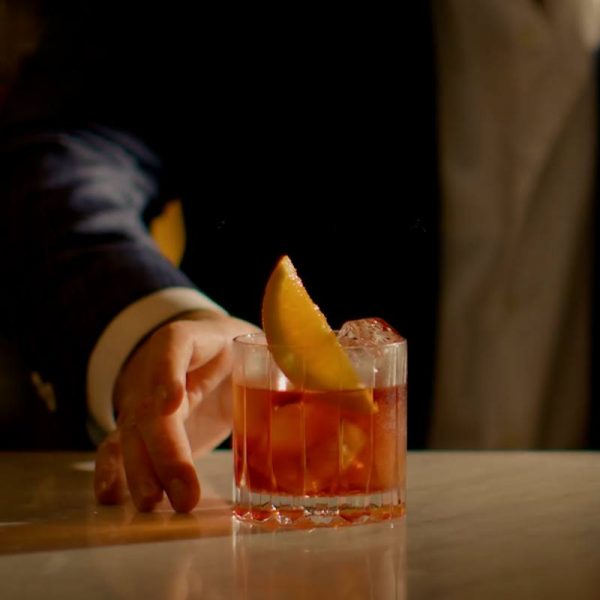
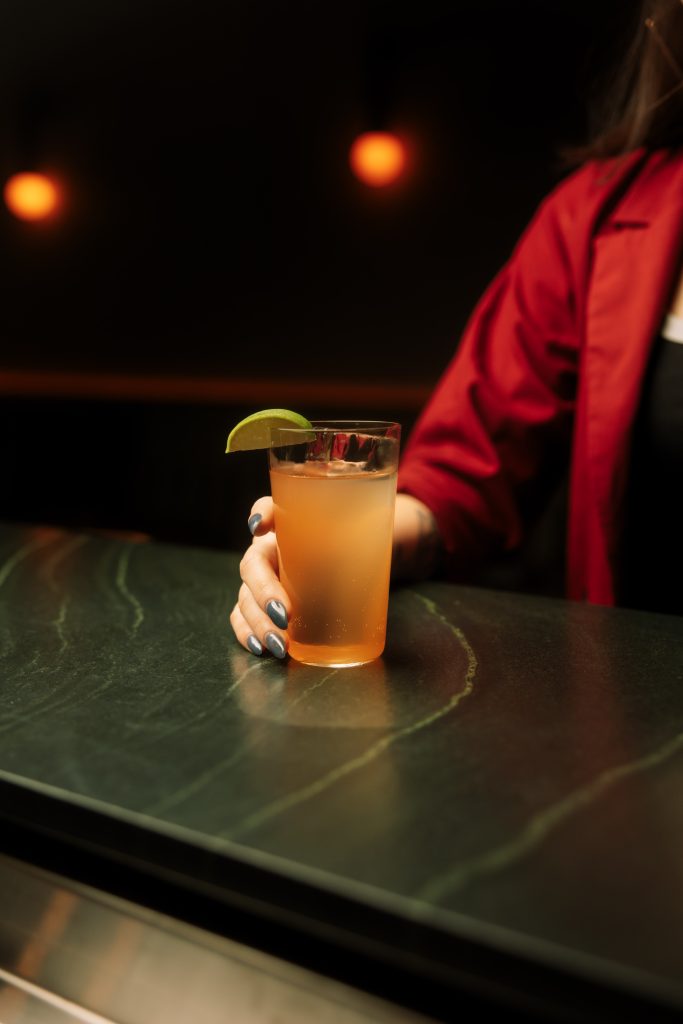
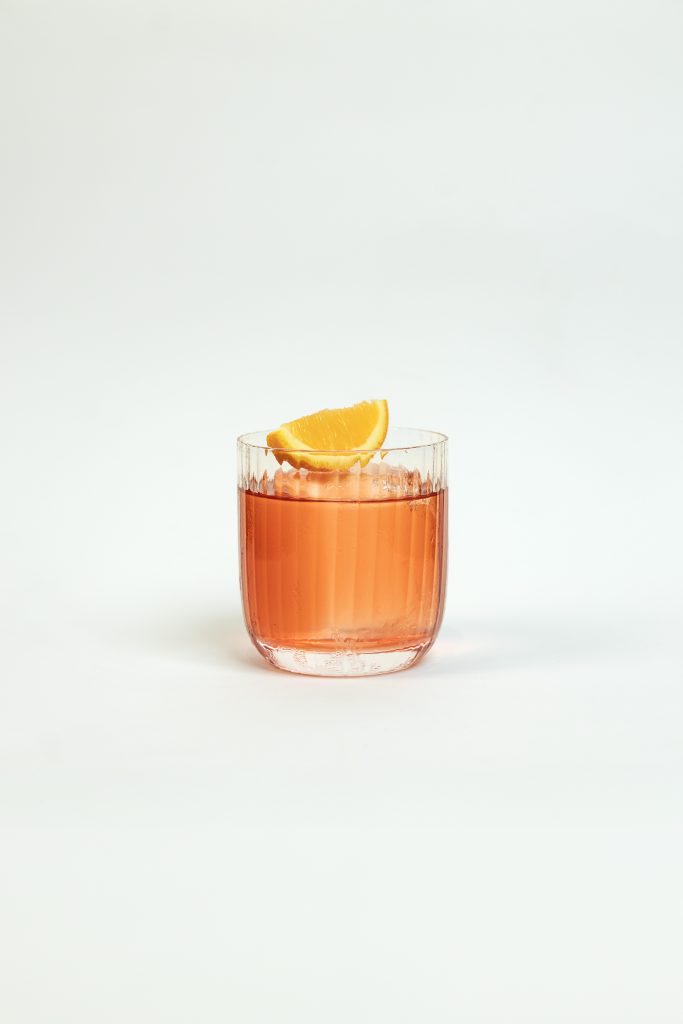
This philosophy carries through to the drinks themselves. Guests are encouraged to smell a cocktail before tasting it, allowing scent to prepare both palate and expectation. That pause is intentional. It builds trust, creating space for exploration. New flavors arrive gently, anchored by aromas that feel recognizable, even when the final drink is something unexpected.
When Memory Enters the Room
The emotional power of smell becomes most visible in guest reactions. Certain aromas, curry leaves, ghee, toasted spices, carry memory with them. When these scents appear, conversations slow. Faces soften. Guests begin to share stories, often without prompting.
“People stop talking. They smile. They tell you about home, their mum’s kitchen, late-night meals.”
These moments cannot be engineered through branding or storytelling. They happen because scent bypasses logic and goes straight to memory. At The Elephant Room, this creates a sense of belonging that extends beyond the drink in the glass. The bar becomes a shared emotional space, where personal histories surface naturally and connection feels effortless.
Quiet Discipline Behind the Bar
For scent to work this way, restraint is essential. Yugnes is clear that success often means invisibility. Aroma should never dominate the room or announce itself loudly. If guests become overly aware of it, the balance is lost.
“If people notice the scent too much, we’ve failed. It should sit in the background and work on them quietly.”
This restraint also defines the relationship between the room and the drink. The aroma of the space prepares the guest; the aroma in the glass delivers the message. They are designed to support each other, not compete. One sets the tone, the other confirms it. Achieving this balance requires discipline from the entire team. Fresh garnishes, clean tools, and careful preparation are not just technical standards — they are sensory responsibilities.
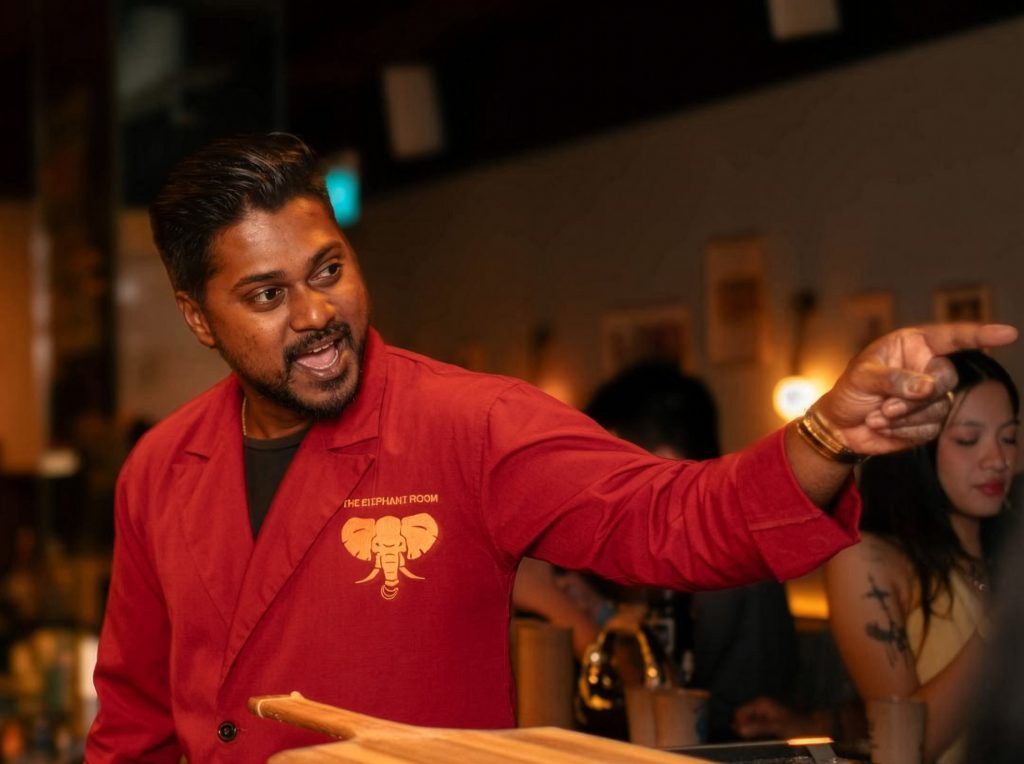
Beyond atmosphere, this approach shapes community. By treating scent as a form of care, The Elephant Room attracts guests who value intention over spectacle. The bar becomes a place to slow down, to pay attention, and to engage emotionally with the experience. In a city as diverse and fast-moving as Singapore, this quiet confidence stands out.
Scent, in this context, becomes a filter. It draws in the right audience and sets expectations without explanation. It reflects a broader shift in hospitality, away from loud concepts and toward experiences rooted in memory, discipline, and feeling.
In the end, smell at The Elephant Room is not about creating a mood. It is about shaping identity. It defines how the bar is remembered and how guests feel the moment they arrive. When treated with intention, scent becomes one of the most honest forms of service a bar can offer, subtle, emotional, and impossible to fake.
More Articles
Article
The future is yours to create: So-yeon Kim (Alice)So-yeon Kim, also known as Alice, is a bartender based in South Korea whose approach to hospitality is rooted in emotional awareness and quiet observation. Drawn to bartending through curiosity rather than convention, she sees cocktails as moments shaped by memory, mood, and human connection. As a Campari Red Hands APAC 2025 finalist for South […]
Article
The future is yours to create: Phirun LekPhirun Lek is a lead bartender at SORA Phnom Penh, a venue that marked both the beginning and the foundation of his bartending career. Starting in hospitality through service roles before finding his place behind the bar, his journey reflects steady growth shaped by curiosity, practice, and people. With a mindset rooted in learning and […]

Article
Drink Like a Local: Macau with Frankie LeongExplore Macau with Frankie Leong, to discover a compact city where Chinese and Portuguese cultures meet through layered histories, late-night rituals, comfort-driven food, and a quietly evolving cocktail scene. Macau is often described through contrast: a city shaped by centuries of exchange between East and West, where Chinese traditions and Portuguese heritage coexist in daily […]
Article
The future is yours to create: Liu Yuan (Kim)Liu Yuan, also known as Kim, is a bartender at Wing Lei Bar in Macau whose journey into hospitality began with curiosity rather than convention. Drawn into the world of cocktails through a single, formative experience, she approaches bartending with a balance of discipline, creativity, and openness to discovery. As the first bartender from Macau […]
Article
The future is yours to create: Thanesh JoelThanesh Joel is a bartender whose relationship with hospitality is shaped less by ambition and more by curiosity. Based in Penang and deeply rooted at Backdoor Bodega, his work reflects a mindset driven by understanding, of flavour, systems, and human behaviour. As the Campari Red Hands APAC 2025 finalist for Malaysia, he approaches competition not […]

Article
The future is yours to create: Hiroyuki YamadaHiroyuki Yamada is a bartender at Bee’s Knees in Kyoto, whose path into hospitality began quietly during his student years. What started as a part-time job at an izakaya became a long-term commitment to service, shaped by daily human interaction and cultural exchange. As the Campari Red Hands APAC 2025 finalist for Japan, he approaches […]
Discover More
Article
Before the First Sip: The Quiet Power of Touch in CocktailsThe Five Senses of the Bar explores the bar experience through sight, smell, taste, touch, and hearing. In this chapter, the focus is on touch, often the most overlooked sense guests engage with. Long before a cocktail is judged on flavor or balance, it is felt, through temperature, weight, texture, and the physical signals that […]
Article
From BPM to Belonging: How Music Shapes the Bar ExperienceThe Five Senses of the Bar explores the bar experience through sight, smell, taste, touch, and hearing. In this chapter, the focus is on sound, often the first sense guests engage with. Long before taste or aroma, music sets the tone the moment a door opens, signaling what kind of space it is, how to […]
Article
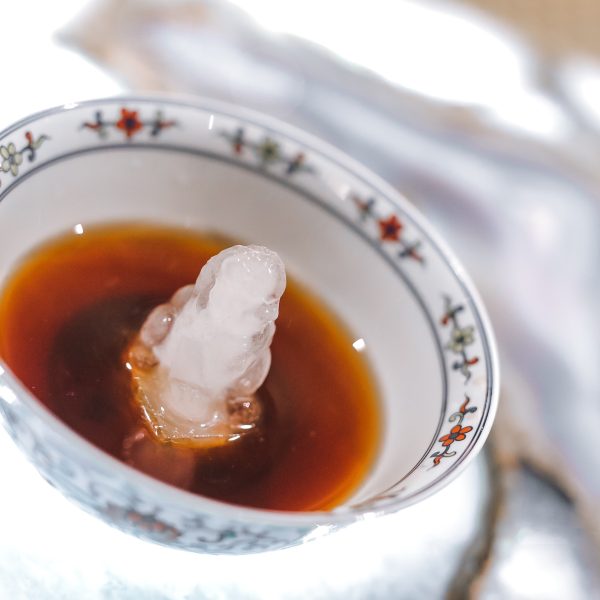
Designed to Be Seen: Visual Intention Behind the CocktailThe Five Senses of the Bar explores the bar experience through sight, smell, taste, touch, and hearing. In this chapter, the focus is on sight, often the most immediate sense guests engage with. Before a drink is tasted or explained, it is seen, its color, form, and presentation quietly shaping expectation from the moment it […]
Article
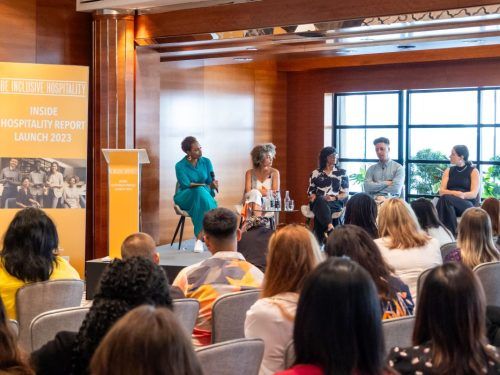
Change at the top: Lorraine Copes on restructuring for representationFounded by Lorraine Copes in 2020, Be Inclusive Hospitality is a non-profit organisation which works in education, information and equity for people of colour in hospitality. But it’s far from simple Out of a pool of 3,120 people working at all levels of hospitality across the UK, only 25% have participated in EDI (Equity, Diversity […]
Article
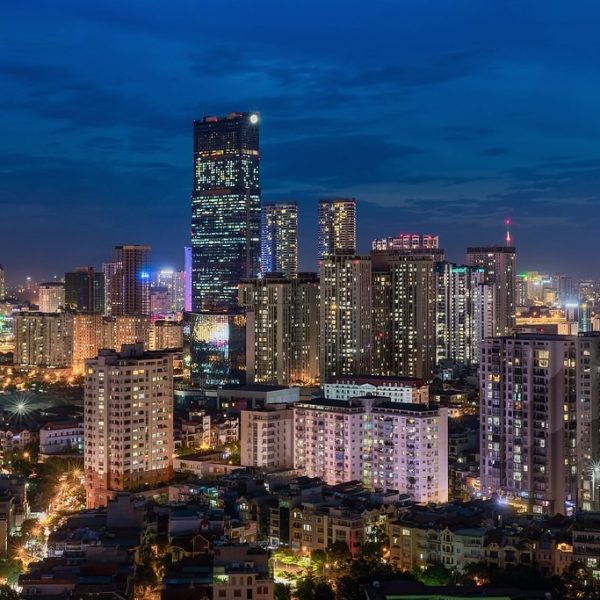
Drink Like A Local: Hanoi with Công NguyễnDiscover Hanoi through Công’s eyes, a city where nostalgia and creativity intertwine, where mornings hum with the clatter of coffee cups and evenings glow with the warmth of shared laughter over bia hơi and cocktails alike. Born and raised in Hanoi, Công Nguyễn has spent over a decade behind the bar, shaping not only his […]
Training
Espolòn tequila and the art of tequila productionEspolòn tequila is an un-aged tequila with notes of sweet agave. Learn more about the history and flavor profile of this industry favorite.