
The future is yours to create: Hiroyuki Yamada
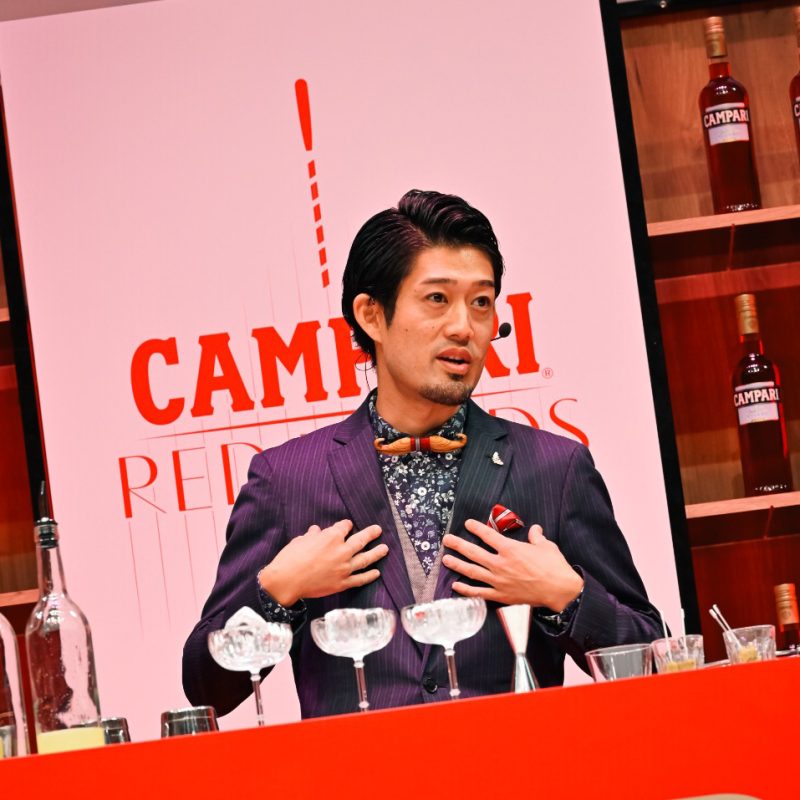
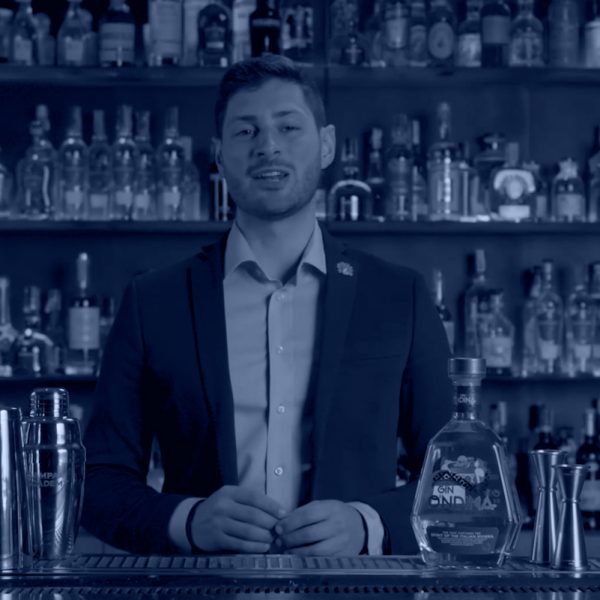
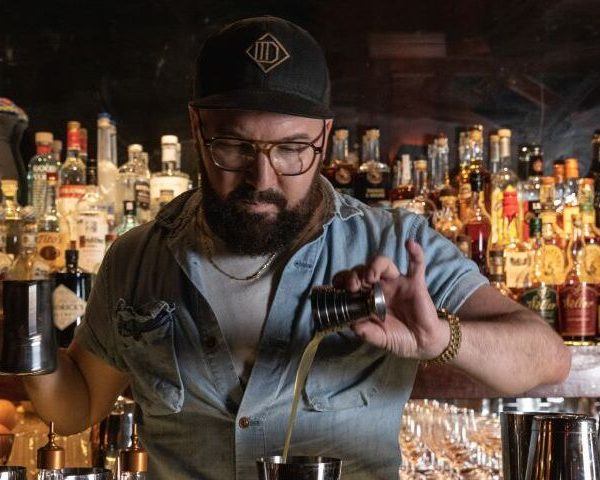
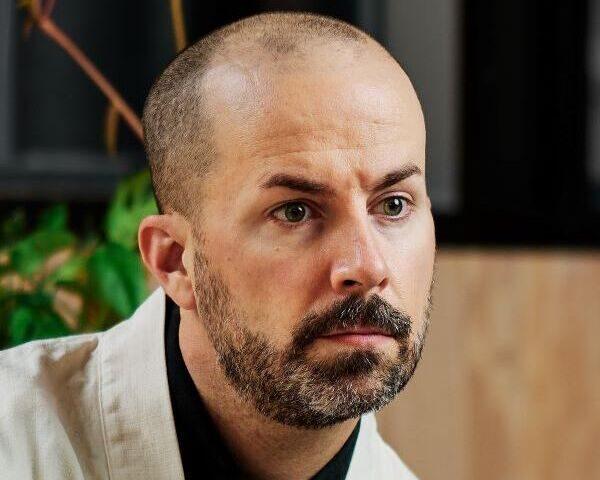
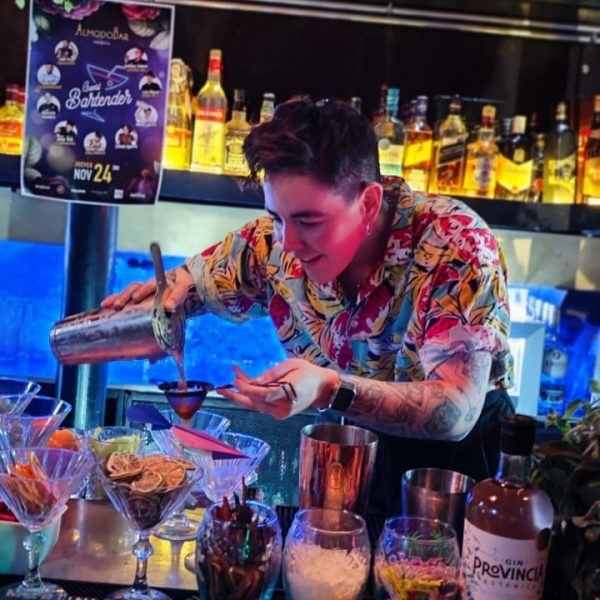
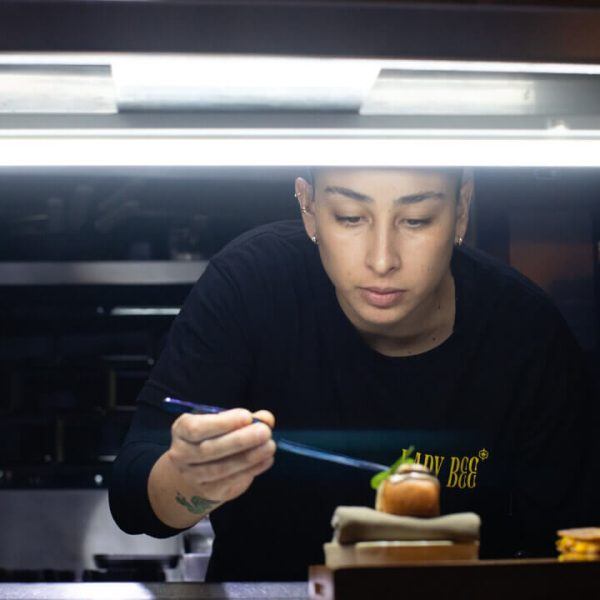
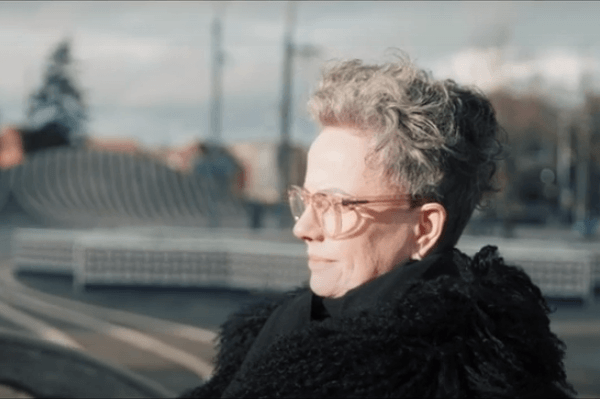
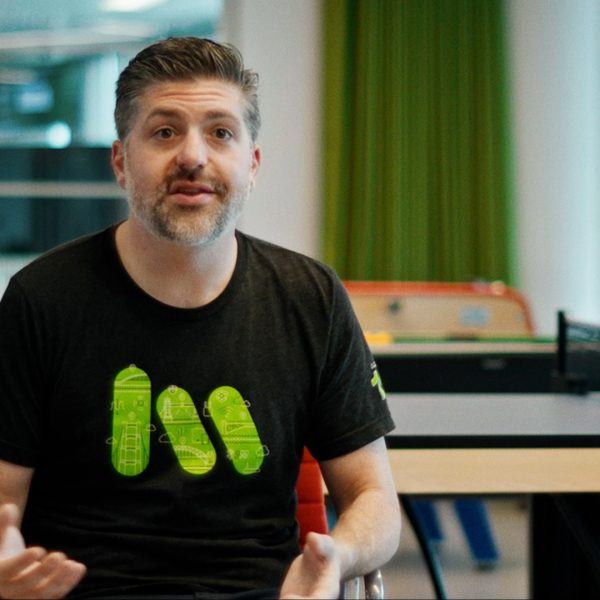
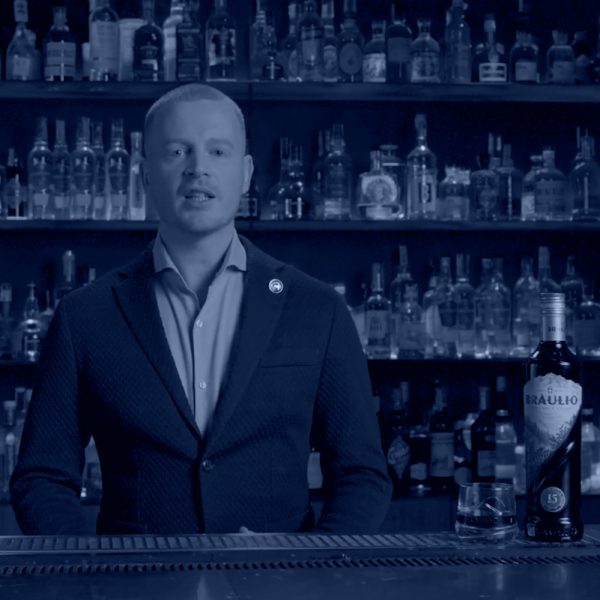
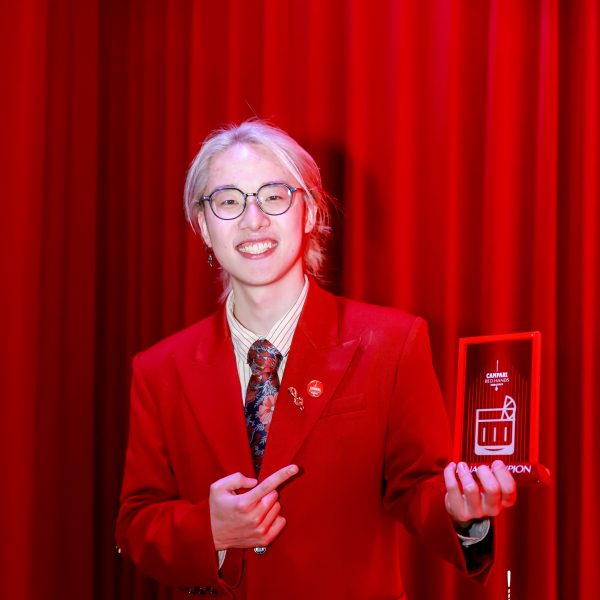
Hiroyuki Yamada is a bartender at Bee’s Knees in Kyoto, whose path into hospitality began quietly during his student years. What started as a part-time job at an izakaya became a long-term commitment to service, shaped by daily human interaction and cultural exchange. As the Campari Red Hands APAC 2025 finalist for Japan, he approaches his craft with calm discipline, focusing on connection rather than spectacle.
A little bit about me
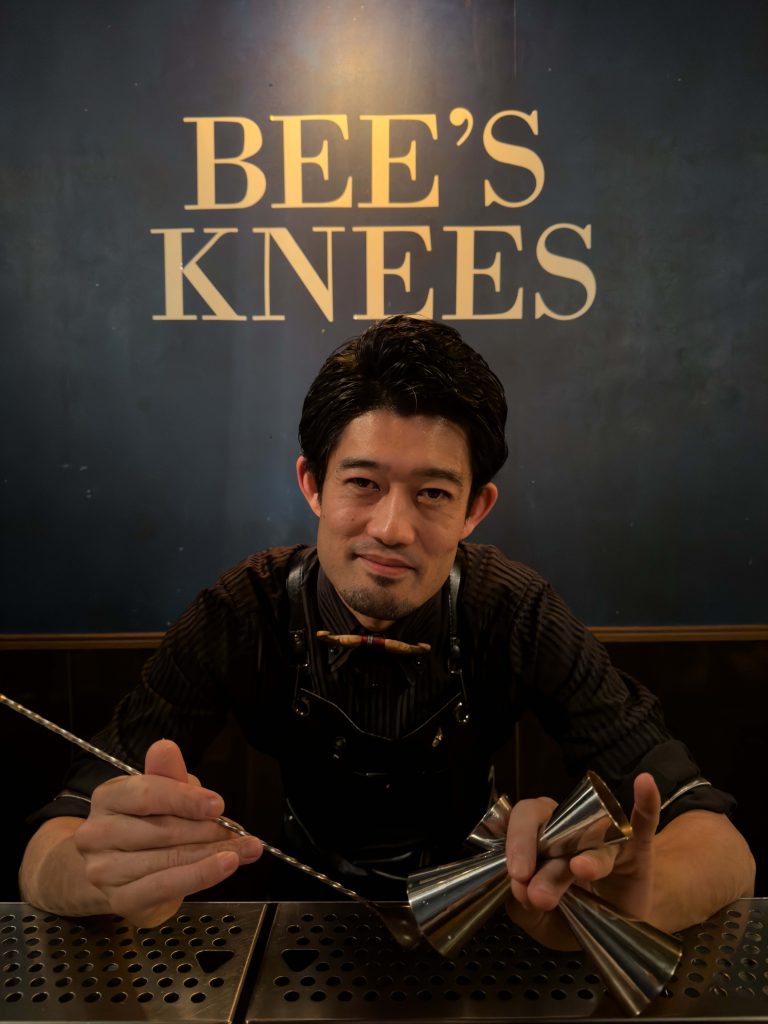
I work as a bartender at Bee’s Knees in Kyoto, but my entry into hospitality came much earlier, during my student days. I took a part-time job at an izakaya without any long-term plan, simply to earn money. What I didn’t expect was how strongly the environment would stay with me. I saw how alcohol could act as a bridge between people who might never otherwise meet, locals and visitors, strangers sitting side by side, conversations beginning where there had been none.
Over time, that idea became central to how I see my role. Today, I welcome guests from all over the world, many of whom are encountering Japan for the first time. Through cocktails, I try to share the rediscovered charm of Japan, its balance, its thoughtfulness, and its quiet depth, without forcing an explanation. The bar becomes a place where those values can be felt naturally.
“Being a bartender is the best job in the world.”
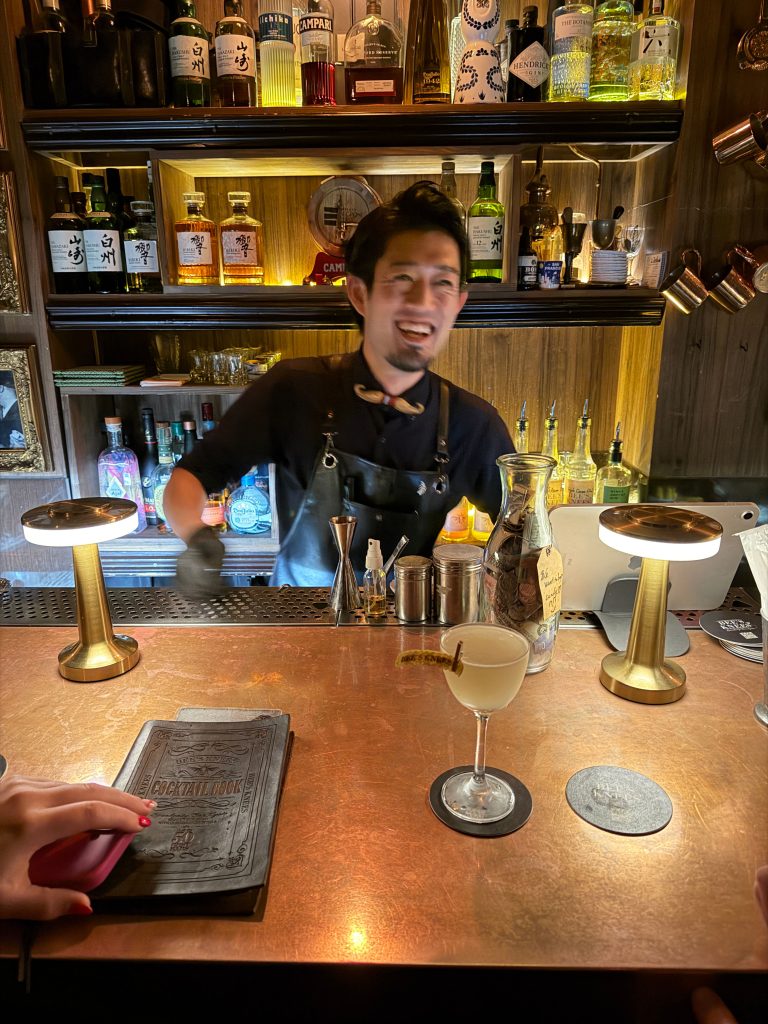
What I enjoy most about my work is the connection across the bar. When I serve something I truly believe tastes good and the guest feels the same, there is a shared moment of agreement. It’s not just about flavor, but about values aligning for a brief second. That moment is what keeps me behind the bar.
Outside of work, I value slowing down. I enjoy spending time at beach resorts, snorkeling, watching the ocean, and doing very little. That stillness helps me reset and return to my work with clarity. Even though bartending may look the same each day, every guest is different. Each interaction changes the work itself, and that constant variation is what continues to motivate me.
How I approach my work
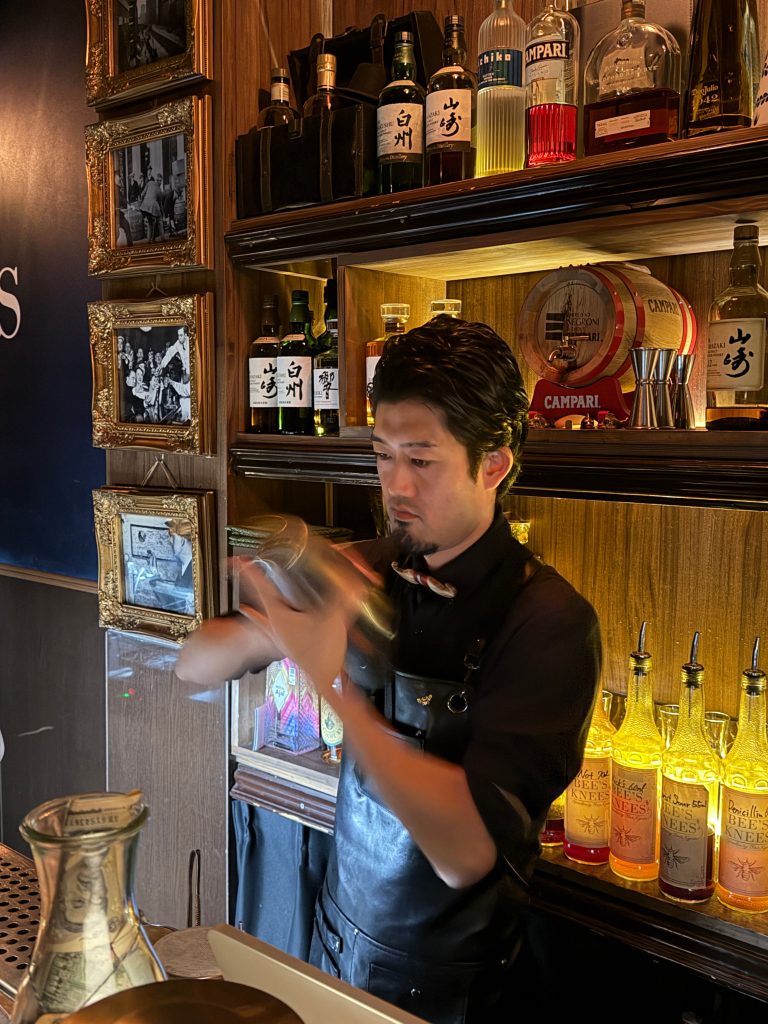
When I was a student and feeling overwhelmed, a veteran bartender once shared advice that stayed with me. He told me that if you say you’re bored, people assume you’re not working hard enough, and if you say you’re busy, they assume you can’t manage your time. Since then, I’ve tried to stay calm in front of guests, while working relentlessly behind the scenes.
That balance has shaped how I approach my work. I don’t believe guests need to see effort; they need to feel comfort. Preparation, repetition, and reflection happen quietly, so that service itself can remain relaxed and natural.
“If you stay calm in front of guests and work relentlessly behind the scenes, trust follows naturally.”
Earlier in my career, I focused almost entirely on my own growth, my skills, my knowledge, my progress. Over time, that perspective shifted. Now, I feel a stronger sense of progress when I can pass something on to younger bartenders, whether through daily work or shared experiences like Campari Red Hands. Knowing that my journey might bring joy or learning to others, even in ways I don’t directly see, reassures me that I’m moving forward.
Support from employers also matters deeply to me. I’m most motivated when there is a clear vision for my future and when someone actively helps map the path toward it. An environment that genuinely values work–life balance, not just results, allows me to stay focused and committed for the long term.
I also believe brands play an important role in supporting the industry. The relationship works best when neither side is placed above the other. When bartenders and brands understand each other’s perspectives and grow together through mutual respect, the entire industry benefits.
My Campari Red Hands journey
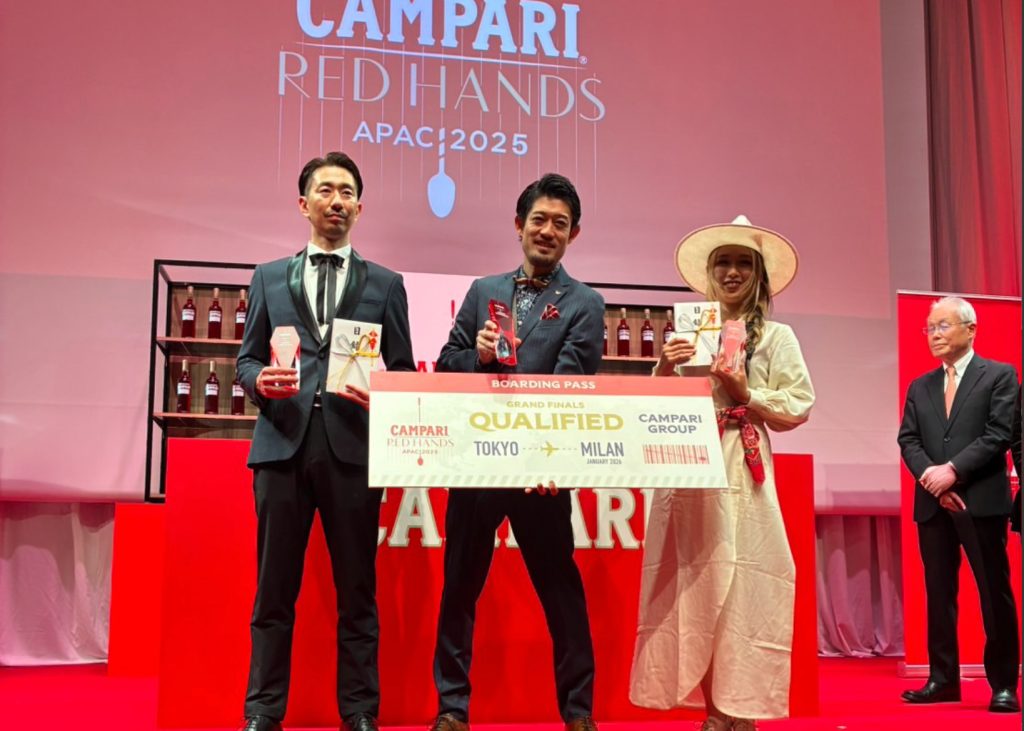
Winning the national finals and representing Japan was both an honor and a responsibility. What stayed with me most was not the result itself, but the shift in perspective. Former rivals became teammates, and the experience stopped feeling individual. Standing on the global stage as Team Japan, rather than alone, is what truly excites me.
The most memorable moment from the national finals was a mistake. I forgot to bring the large rock ice onto the stage. A finalist from the previous year had warned me about ice mistakes, and I had checked everything carefully right up until the last moment. When it happened, I relied on something I practice regularly, continuing calmly after errors. I adapted using the ice available, and that preparation made the difference.
For the Japan finals, my focus was on understanding the competition format and building a solid, reliable foundation. Looking ahead to Milan, my preparation has shifted. Many people may not be familiar with Japan, so my focus is on communicating its character clearly and naturally, together with Campari, on a global stage.
One of the biggest challenges has been presenting in English without sounding scripted. In daily service, I communicate naturally, even with limited vocabulary. On stage, however, my delivery sometimes felt forced. I worked on this by adjusting my tempo and tone during regular service, gradually bringing that natural rhythm into my presentations.
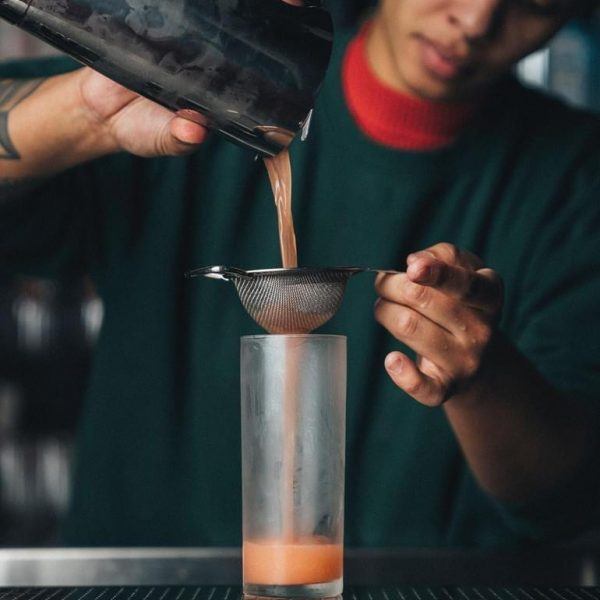
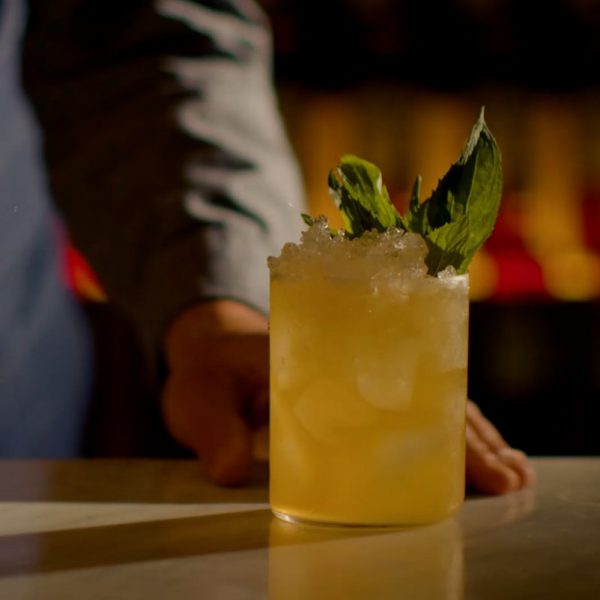
The inspiration behind my competition cocktail came from daily conversations with international guests. Those exchanges reminded me how compelling Japan truly is, not because of explanation, but because of its people, products, and culture. I wanted those elements to appear naturally in the drink, without being overstated.
On the stage in Milan, I want to keep the same mindset I have behind the bar every day. Competitions are places of evaluation, but being a bartender is about bringing enjoyment and happiness to people. If I can engage with the audience naturally, I believe that itself represents Japanese bar culture.
“Mistakes happen. What matters is staying grounded and continuing forward.”
What I’m most looking forward to in Milan is connecting with bartenders from around the world as part of the Campari family and sharing the same stage. As it will be my first time visiting Europe, I’m also excited to experience its culture and atmosphere firsthand.
If I could offer advice to future finalists, it would be to remember that we are bartenders first. In competitions, things can go wrong in ways that never happen during daily service. Staying grounded, not overreaching, and trusting your fundamentals creates an attitude that earns respect naturally.
After the competition, my focus is on bringing what I’ve learned back to my team. By sharing those experiences, I hope to continue growing, not only as an individual, but together through our daily work behind the bar.
More Articles
Article
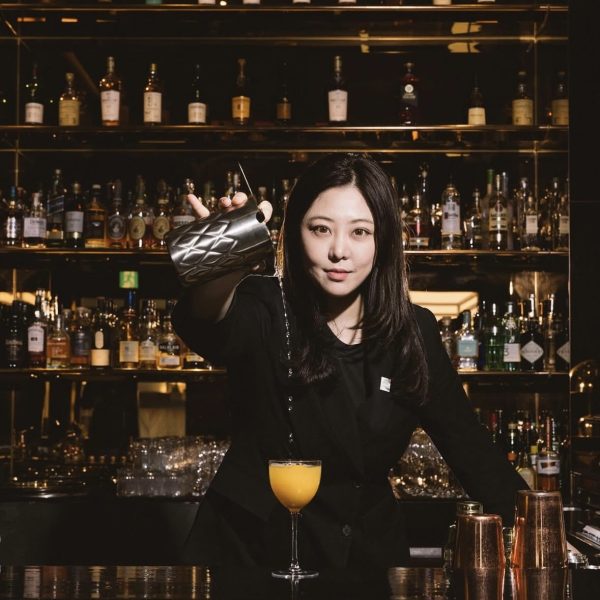
The future is yours to create: So-yeon Kim (Alice)So-yeon Kim, also known as Alice, is a bartender based in South Korea whose approach to hospitality is rooted in emotional awareness and quiet observation. Drawn to bartending through curiosity rather than convention, she sees cocktails as moments shaped by memory, mood, and human connection. As a Campari Red Hands APAC 2025 finalist for South […]
Article
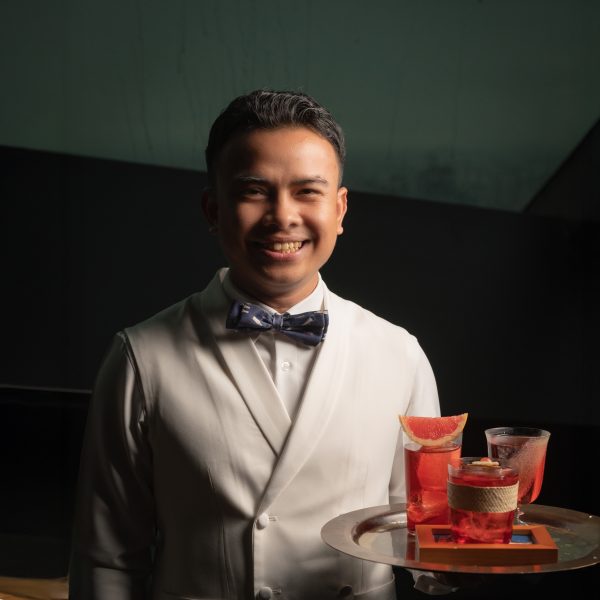
The future is yours to create: Phirun LekPhirun Lek is a lead bartender at SORA Phnom Penh, a venue that marked both the beginning and the foundation of his bartending career. Starting in hospitality through service roles before finding his place behind the bar, his journey reflects steady growth shaped by curiosity, practice, and people. With a mindset rooted in learning and […]

Article
Drink Like a Local: Macau with Frankie LeongExplore Macau with Frankie Leong, to discover a compact city where Chinese and Portuguese cultures meet through layered histories, late-night rituals, comfort-driven food, and a quietly evolving cocktail scene. Macau is often described through contrast: a city shaped by centuries of exchange between East and West, where Chinese traditions and Portuguese heritage coexist in daily […]
Article
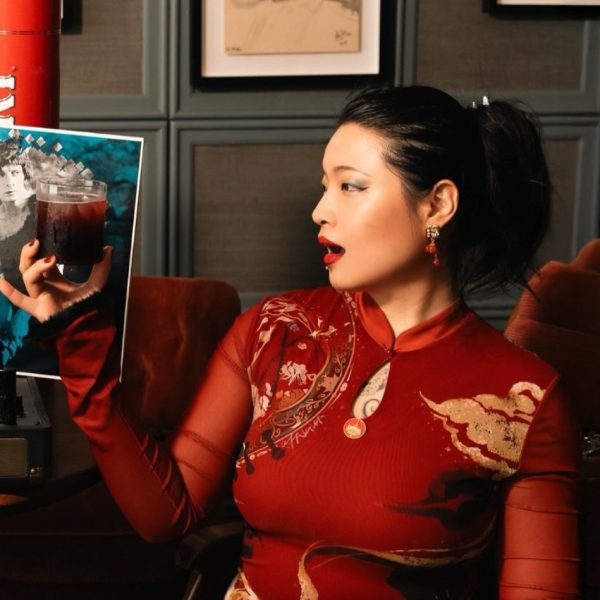
The future is yours to create: Liu Yuan (Kim)Liu Yuan, also known as Kim, is a bartender at Wing Lei Bar in Macau whose journey into hospitality began with curiosity rather than convention. Drawn into the world of cocktails through a single, formative experience, she approaches bartending with a balance of discipline, creativity, and openness to discovery. As the first bartender from Macau […]
Article
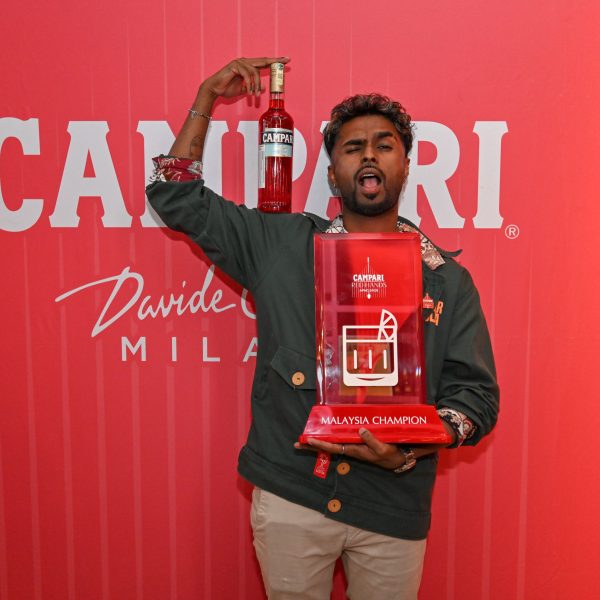
The future is yours to create: Thanesh JoelThanesh Joel is a bartender whose relationship with hospitality is shaped less by ambition and more by curiosity. Based in Penang and deeply rooted at Backdoor Bodega, his work reflects a mindset driven by understanding, of flavour, systems, and human behaviour. As the Campari Red Hands APAC 2025 finalist for Malaysia, he approaches competition not […]

Article
The future is yours to create: Nguyễn Chung (Thomas)Nguyễn Chung, known to most as Thomas, is the Lead Bartender at The Haflington in Hanoi. His path into hospitality was unplanned, shaped by curiosity and steady commitment rather than long-held ambition. Today, as the Campari Red Hands APAC 2025 finalist for Vietnam, he approaches his craft with a quiet sense of responsibility, to his […]
Discover More
Article
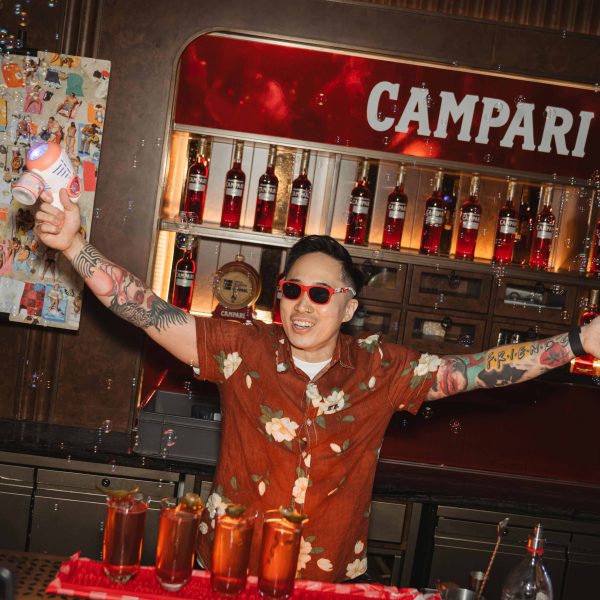
The future is yours to create: Josiah CheeJosiah is the Campari Red Hands APAC 2025 finalist for Singapore, whose journey into hospitality began behind a café counter before evolving into the energy of the night scene. Drawn to the culture and creative freedom of the bar world, he approaches his craft with intention, reflection, and a strong sense of community. A little […]
Article
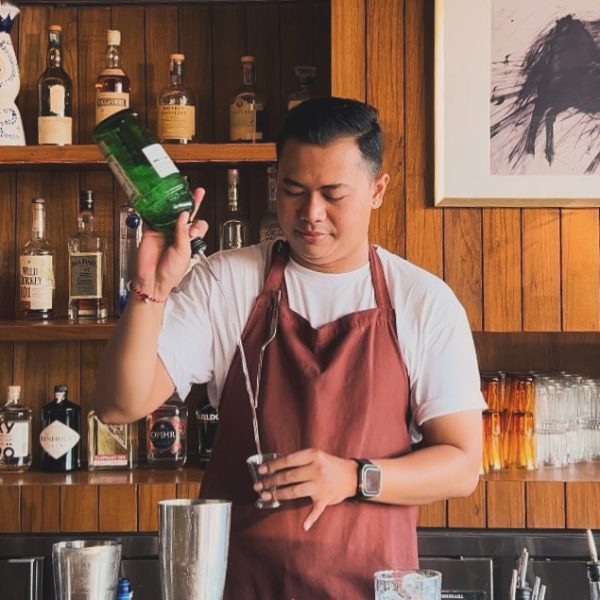
The future is yours to create: Wahyu AdityaWahyu Aditya is the Campari Red Hands APAC 2025 finalist for Indonesia, a Bar Captain at Numero Quattro by Project Black Hospitality in Bali whose journey into bartending is deeply rooted in family legacy. Raised within the culture of the bar through his father and siblings, he approaches his craft with a strong sense of […]
Article
The future is yours to create: Liu Yuan (Kim)Liu Yuan, also known as Kim, is a bartender at Wing Lei Bar in Macau whose journey into hospitality began with curiosity rather than convention. Drawn into the world of cocktails through a single, formative experience, she approaches bartending with a balance of discipline, creativity, and openness to discovery. As the first bartender from Macau […]
Article
Announcing the Campari Red Hands APAC Regional Finalists 2025Asia-Pacific’s leading bartenders take the next step toward Milan. The journey begins here. Following a series of national and regional finals across Asia-Pacific, Campari Red Hands proudly presents the APAC Regional Finalists 2025, a group of bartenders whose creativity, discipline, and personal stories stood out across the region. Guided by the Negroni Family Tree and […]
Article
The future is yours to create: Xing Ru "Cris" SongXing Ru “Cris” Song is a bartender at Pony Up in Shanghai, whose path into hospitality began not behind a bar, but on a music stage. Trained as a musician and shaped by years spent in post-punk bands, he approaches bartending with the same discipline, curiosity, and sense of composition that once guided his work […]
Article
The future is yours to create: Thanesh JoelThanesh Joel is a bartender whose relationship with hospitality is shaped less by ambition and more by curiosity. Based in Penang and deeply rooted at Backdoor Bodega, his work reflects a mindset driven by understanding, of flavour, systems, and human behaviour. As the Campari Red Hands APAC 2025 finalist for Malaysia, he approaches competition not […]