

The future is yours to create: So-yeon Kim (Alice)
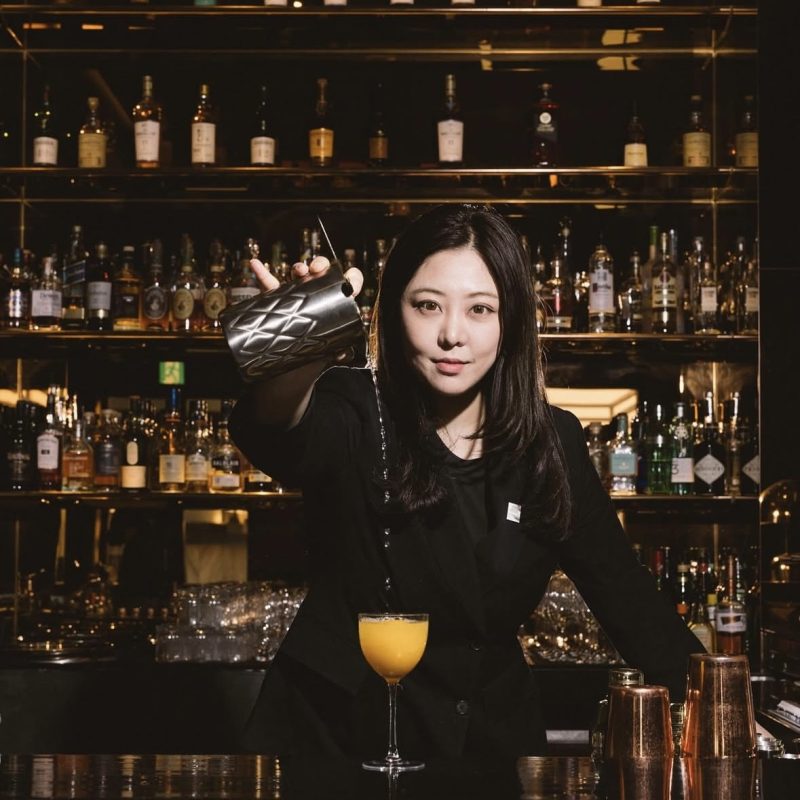
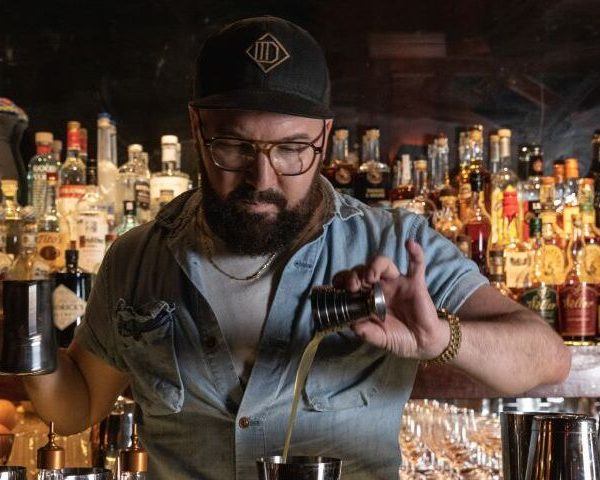
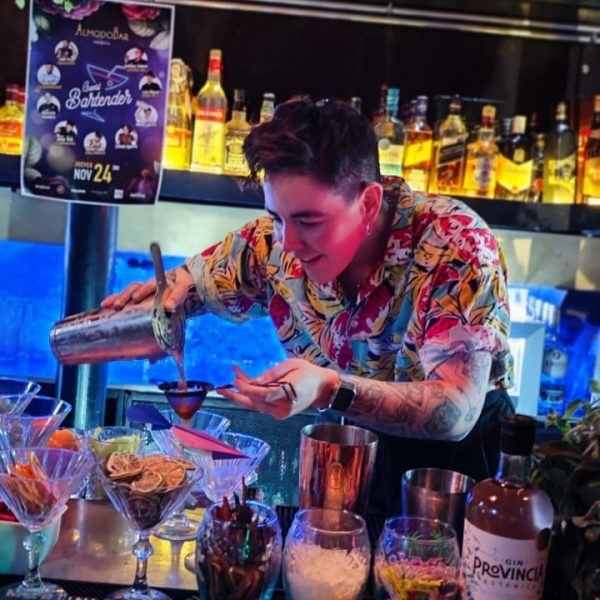
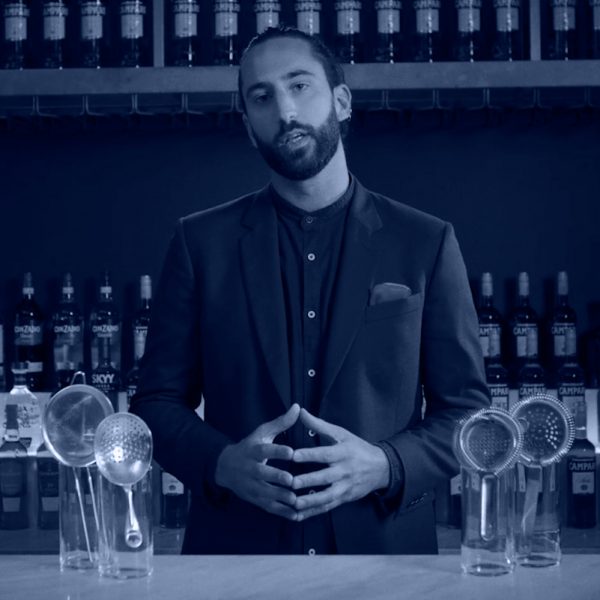
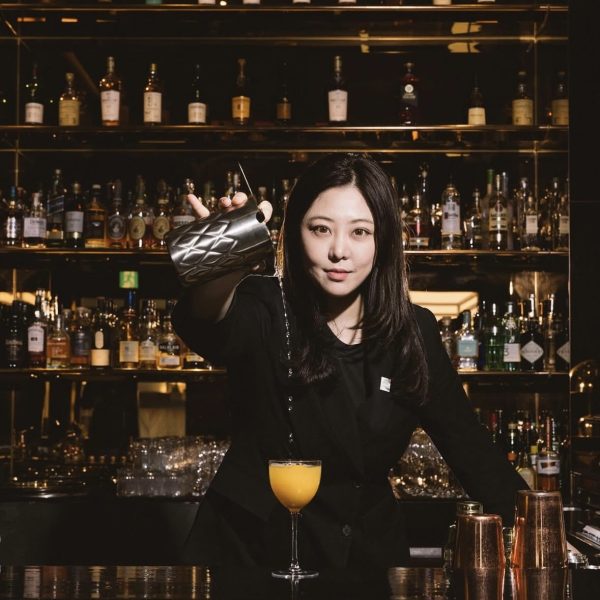
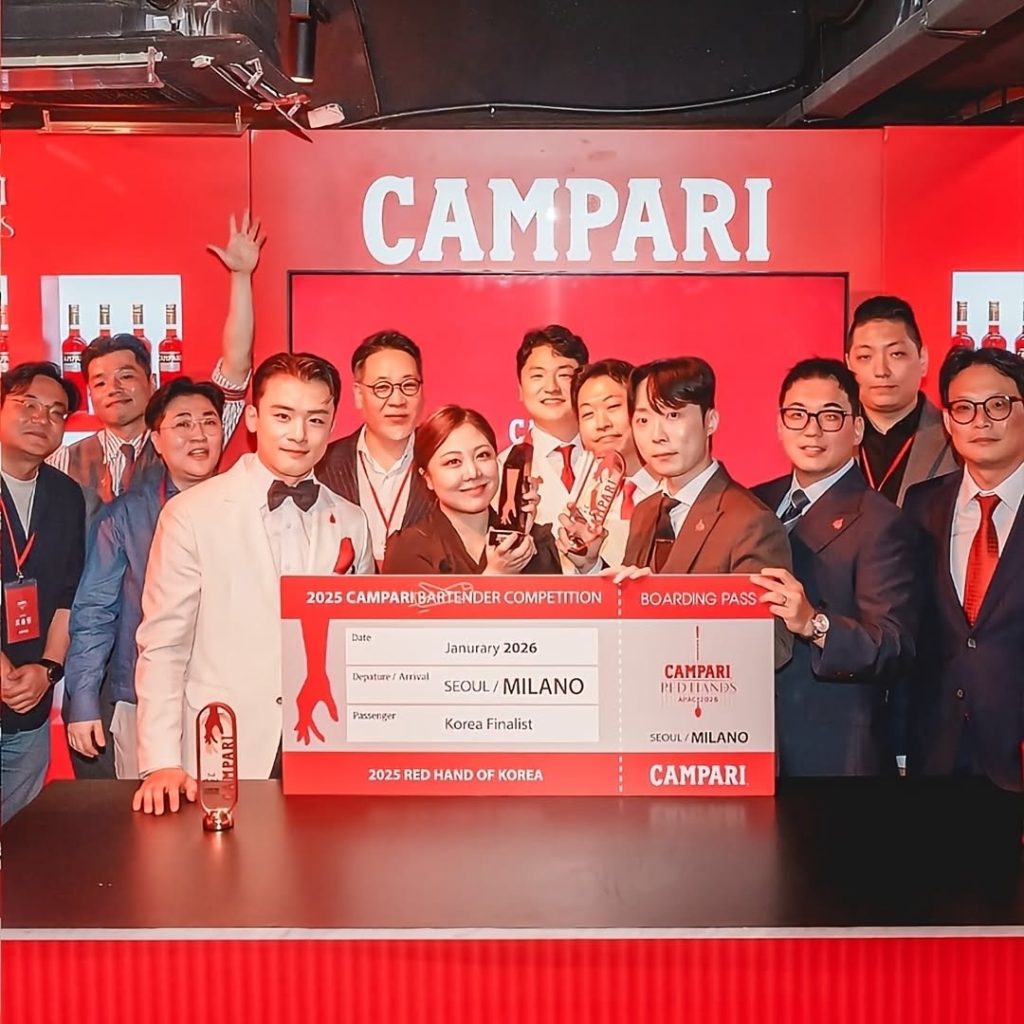
So-yeon Kim, also known as Alice, is a bartender based in South Korea whose approach to hospitality is rooted in emotional awareness and quiet observation. Drawn to bartending through curiosity rather than convention, she sees cocktails as moments shaped by memory, mood, and human connection. As a Campari Red Hands APAC 2025 finalist for South Korea, she approaches the craft not as performance, but as a form of thoughtful interpretation.
A little bit about me
My journey into bartending began with a simple but persistent question: why do people drink? From a young age, I was surrounded by music. My mother loved classic songs, especially those by Frank Sinatra, and his voice became part of my earliest memories. Years later, I came across one of his quotes about alcohol being “man’s worst enemy,” followed by the idea of loving your enemy. It made me laugh at first, but it stayed with me longer than I expected.
That line led me to think more deeply about alcohol and its role in people’s lives. I started wondering what makes someone reach for a glass, their emotions, their circumstances, their state of mind. Over time, my curiosity shifted toward the person behind the drink, and how much responsibility and influence they carry in shaping that moment.
“Rather than just making something impressive, I want to create something that stays with people for a long time.”
Bartending became a natural path for me. Today, I don’t see myself as someone who simply makes drinks. I think about what kind of drink fits a person’s situation, what they might need in that moment, and how a cocktail can quietly support that experience. Right now, I’m preparing for a new space where I hope to share not just drinks, but lasting impressions, cocktails that stay in memory not only as flavors, but as feelings.

How I approach my work
What excites me most about my work is collaboration. There is a unique energy that comes from taking one idea and seeing how it changes as it moves through different perspectives within a team. When those ideas come together and turn into something new, it feels deeply rewarding.
I also love the intensity of busy service. There are moments when words disappear, and the team begins to move together instinctively. When speed and precision align naturally, I feel a rush that reminds me why I chose this work in the first place. Those moments give me a sense of belonging and purpose.
“Imagination is free, but the ability to turn imagination into reality is what defines true skill.”
On a personal level, I’m happiest when ideas arrive quietly. Sometimes, while resting, an image or concept suddenly becomes clear in my mind. I can already see how it might exist in reality. Watching those ideas slowly take shape brings me genuine happiness.
My drive comes from wanting to create things with depth and completeness, but at the center of that drive is empathy. If something I create has the potential to touch someone’s memory or emotion, that becomes my strongest motivation. Skill matters, but meaning matters more.
My Campari Red Hands journey
Representing Korea through Campari Red Hands carried more weight than I expected. It stopped being about a personal achievement and became something much larger. I realized that my words, expressions, and emotions might shape how someone perceives my country, even briefly. That understanding made me more careful and more honest about what I chose to present.
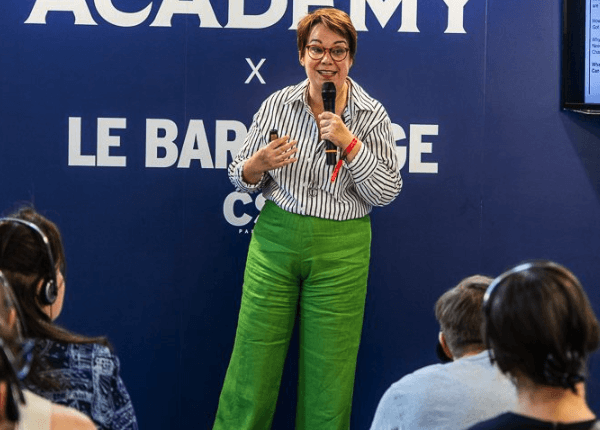
During the national finals, the most memorable moment wasn’t the result itself. When I began my presentation, I felt unexpectedly calm. For the first time, I thought, now I can say exactly what I want to say. As I spoke, I made eye contact with people I knew in the audience. Those quiet exchanges, where it felt like my story had reached them, meant more to me than any announcement.
In preparing for the competition, I didn’t want to tell a story that was only personal or overly complex. I focused on something universal, a feeling that exists between people regardless of background. I wanted the story to be understandable without explanation, and I tried to let that idea live naturally within the cocktail itself.
The biggest challenge was expressing deep emotions within the small space of a single drink. To solve that, I chose to use a familiar symbol, something many people in Korea would recognize from everyday life or childhood memories. I believe that sometimes, a simple symbol can carry a story more clearly than words.
The inspiration for my cocktail came from a government-hosted exhibition that reinterpreted the past through a modern lens. The idea of preservation stayed with me. I felt that cocktails work in the same way, even as we rebuild and reinterpret them, the emotions and stories inside should not disappear. My drink became a tribute to protecting those feelings while allowing them to evolve.
“Even without long explanations, a simple symbol can say everything.”
As I prepare for the global finals in Milan, I’m looking forward to seeing how people from different cultures express themselves under the same theme. Watching others share their perspectives will help me discover new emotional layers within myself, and I believe those experiences will shape my future work.
For anyone considering this competition in the future, my advice is simple: take time to reflect on your own story. Not a story designed to impress, but one that truly matters to you. When your story is honest, it becomes easier to stay grounded, regardless of the outcome.
After the competition, I’m moving toward a new project in a completely different space. I’m exploring how cocktails can blend naturally with food, scent, tradition, and art to form a complete cultural experience. I hope to grow into someone who not only creates drinks, but helps translate culture and emotion through them, quietly, thoughtfully, and with care.
More Articles
Article
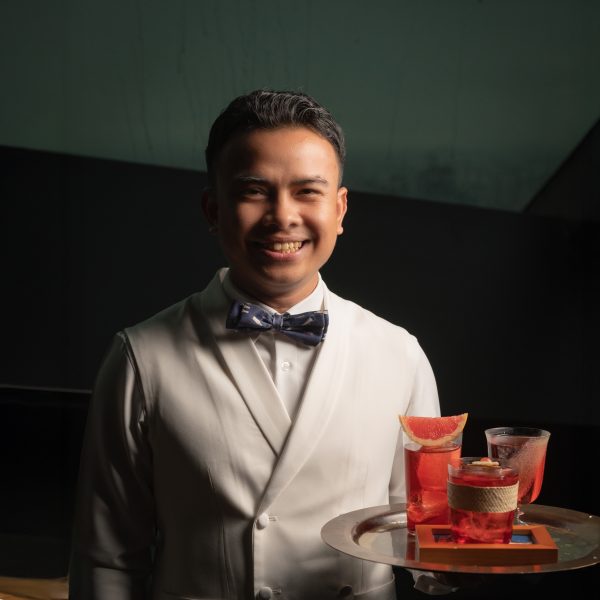
The future is yours to create: Phirun LekPhirun Lek is a lead bartender at SORA Phnom Penh, a venue that marked both the beginning and the foundation of his bartending career. Starting in hospitality through service roles before finding his place behind the bar, his journey reflects steady growth shaped by curiosity, practice, and people. With a mindset rooted in learning and […]

Article
Drink Like a Local: Macau with Frankie LeongExplore Macau with Frankie Leong, to discover a compact city where Chinese and Portuguese cultures meet through layered histories, late-night rituals, comfort-driven food, and a quietly evolving cocktail scene. Macau is often described through contrast: a city shaped by centuries of exchange between East and West, where Chinese traditions and Portuguese heritage coexist in daily […]
Article
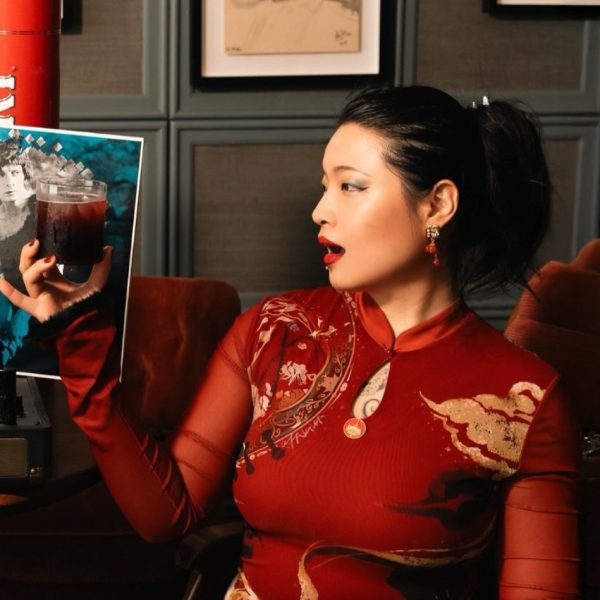
The future is yours to create: Liu Yuan (Kim)Liu Yuan, also known as Kim, is a bartender at Wing Lei Bar in Macau whose journey into hospitality began with curiosity rather than convention. Drawn into the world of cocktails through a single, formative experience, she approaches bartending with a balance of discipline, creativity, and openness to discovery. As the first bartender from Macau […]
Article
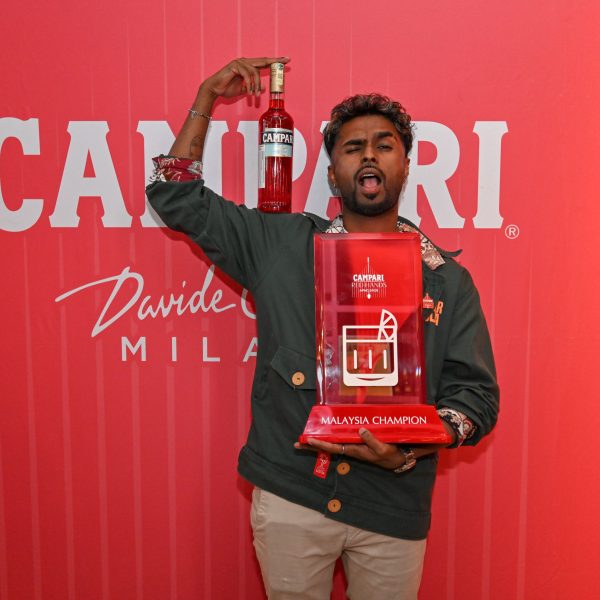
The future is yours to create: Thanesh JoelThanesh Joel is a bartender whose relationship with hospitality is shaped less by ambition and more by curiosity. Based in Penang and deeply rooted at Backdoor Bodega, his work reflects a mindset driven by understanding, of flavour, systems, and human behaviour. As the Campari Red Hands APAC 2025 finalist for Malaysia, he approaches competition not […]

Article
The future is yours to create: Hiroyuki YamadaHiroyuki Yamada is a bartender at Bee’s Knees in Kyoto, whose path into hospitality began quietly during his student years. What started as a part-time job at an izakaya became a long-term commitment to service, shaped by daily human interaction and cultural exchange. As the Campari Red Hands APAC 2025 finalist for Japan, he approaches […]

Article
The future is yours to create: Nguyễn Chung (Thomas)Nguyễn Chung, known to most as Thomas, is the Lead Bartender at The Haflington in Hanoi. His path into hospitality was unplanned, shaped by curiosity and steady commitment rather than long-held ambition. Today, as the Campari Red Hands APAC 2025 finalist for Vietnam, he approaches his craft with a quiet sense of responsibility, to his […]
Discover More
Article
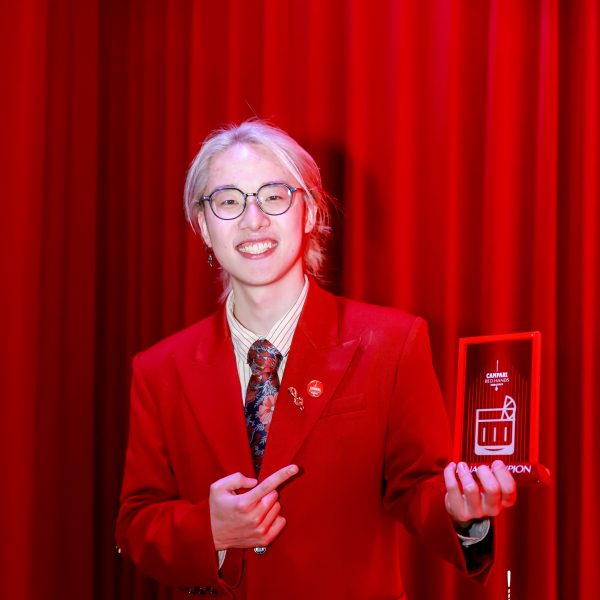
The future is yours to create: Xing Ru "Cris" SongXing Ru “Cris” Song is a bartender at Pony Up in Shanghai, whose path into hospitality began not behind a bar, but on a music stage. Trained as a musician and shaped by years spent in post-punk bands, he approaches bartending with the same discipline, curiosity, and sense of composition that once guided his work […]
Article
The future is yours to create: Phirun LekPhirun Lek is a lead bartender at SORA Phnom Penh, a venue that marked both the beginning and the foundation of his bartending career. Starting in hospitality through service roles before finding his place behind the bar, his journey reflects steady growth shaped by curiosity, practice, and people. With a mindset rooted in learning and […]
Article
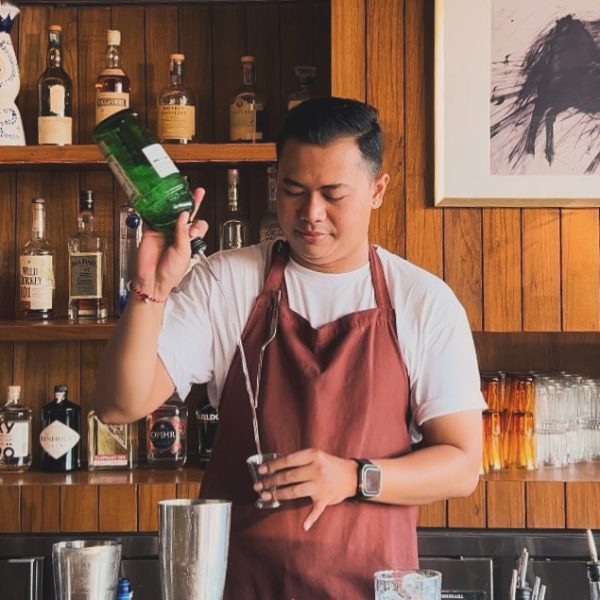
The future is yours to create: Wahyu AdityaWahyu Aditya is the Campari Red Hands APAC 2025 finalist for Indonesia, a Bar Captain at Numero Quattro by Project Black Hospitality in Bali whose journey into bartending is deeply rooted in family legacy. Raised within the culture of the bar through his father and siblings, he approaches his craft with a strong sense of […]
Article
The future is yours to create: Thanesh JoelThanesh Joel is a bartender whose relationship with hospitality is shaped less by ambition and more by curiosity. Based in Penang and deeply rooted at Backdoor Bodega, his work reflects a mindset driven by understanding, of flavour, systems, and human behaviour. As the Campari Red Hands APAC 2025 finalist for Malaysia, he approaches competition not […]
Article
Announcing the Campari Red Hands APAC Regional Finalists 2025Asia-Pacific’s leading bartenders take the next step toward Milan. The journey begins here. Following a series of national and regional finals across Asia-Pacific, Campari Red Hands proudly presents the APAC Regional Finalists 2025, a group of bartenders whose creativity, discipline, and personal stories stood out across the region. Guided by the Negroni Family Tree and […]
Article
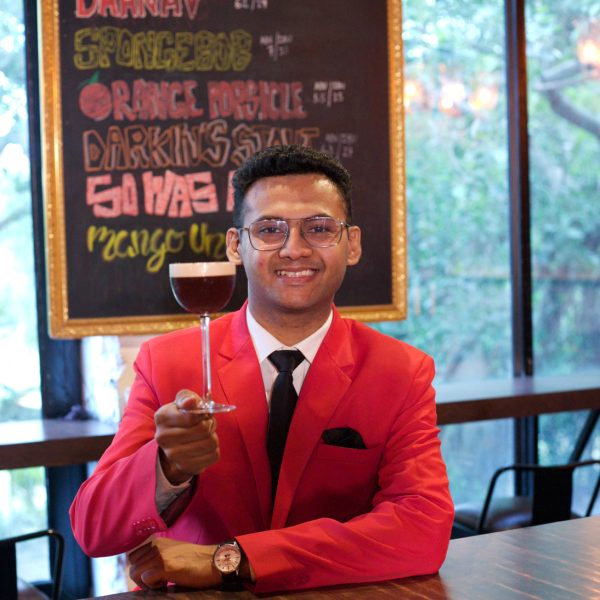
The future is yours to create: Dhananjai SubramaniamDhananjai Subramaniam is a bartender from India whose journey into hospitality began long before he ever stepped behind a bar. With a background rooted in family, formal training, and hands-on service, his path reflects a steady, considered commitment to growth. Now representing India as a Campari Red Hands APAC 2025 finalist, Dhananjai approaches the craft […]