




Designed to Be Seen: Visual Intention Behind the Cocktail
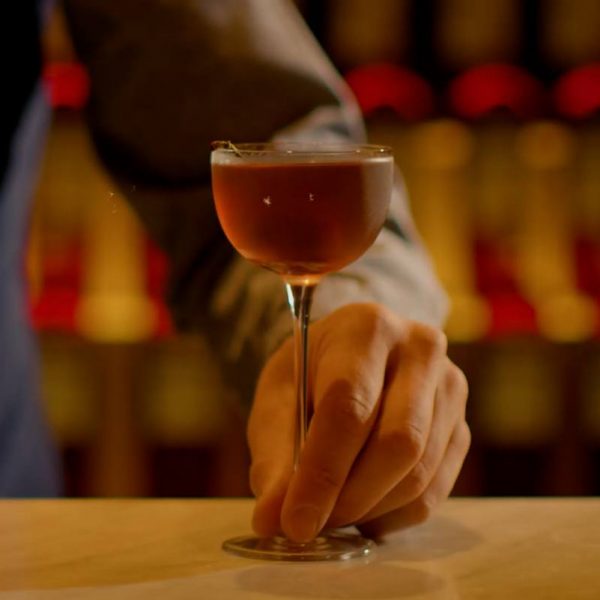
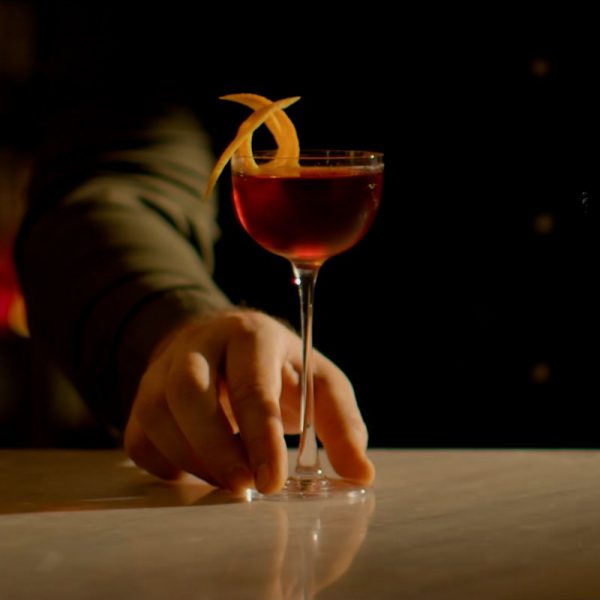
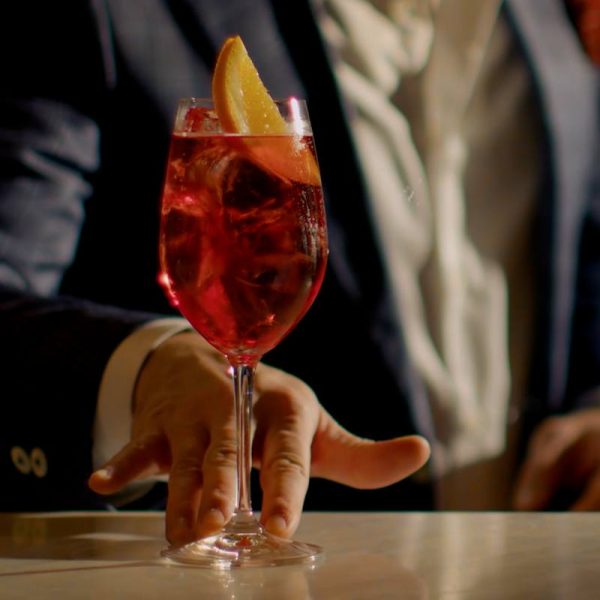
The Five Senses of the Bar explores the bar experience through sight, smell, taste, touch, and hearing. In this chapter, the focus is on sight, often the most immediate sense guests engage with. Before a drink is tasted or explained, it is seen, its color, form, and presentation quietly shaping expectation from the moment it arrives.
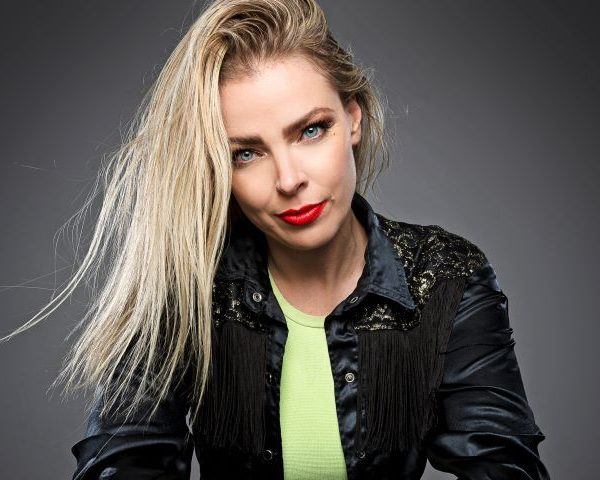
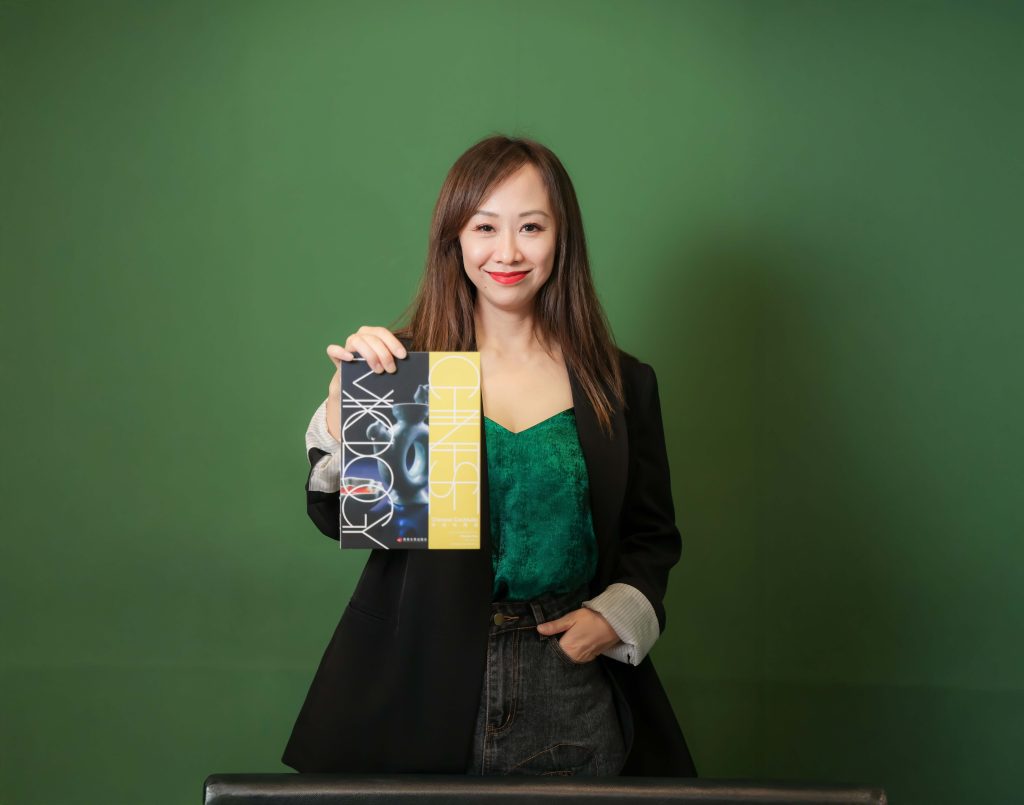
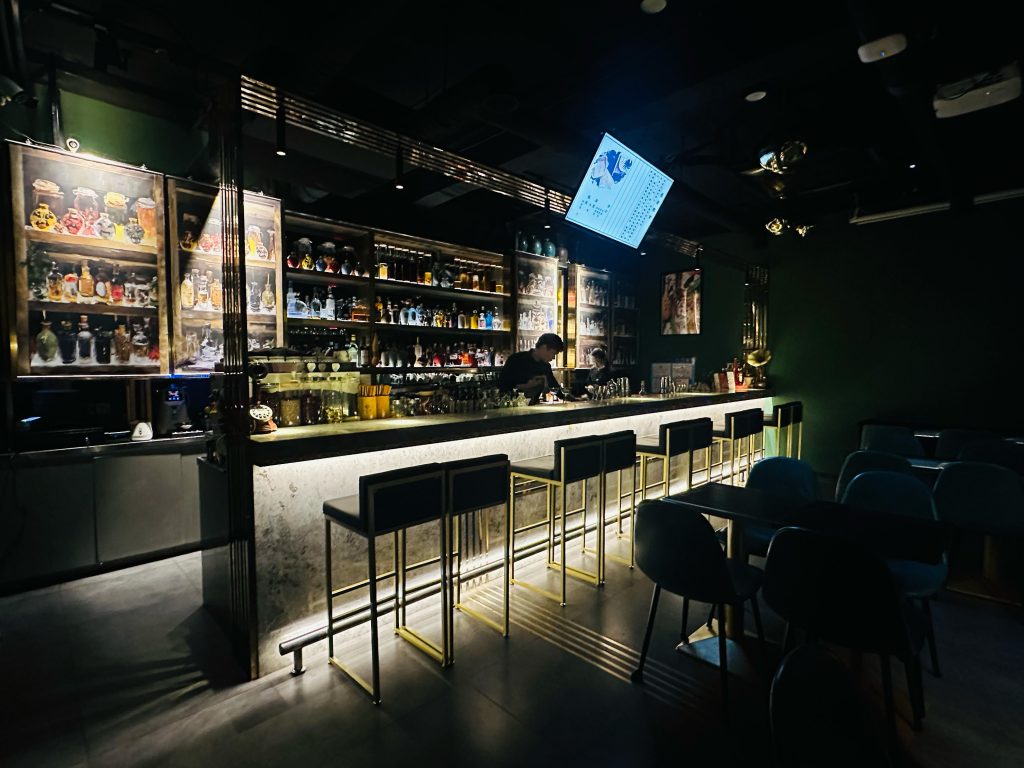
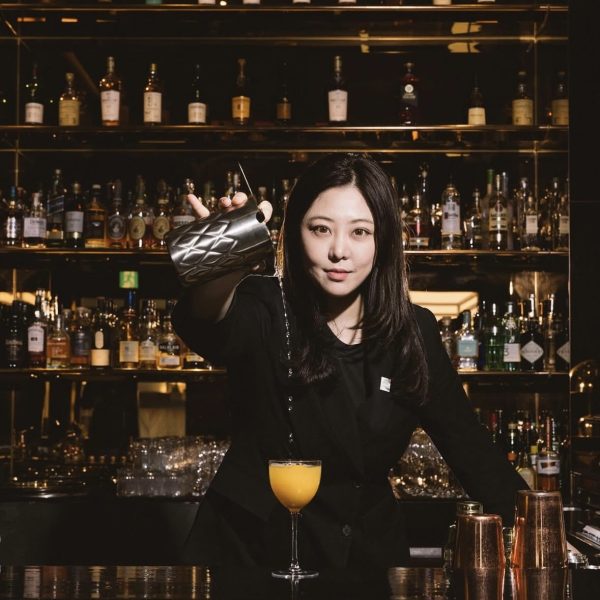
As bars place greater emphasis on intention and storytelling, sight has become a powerful way to signal identity and value. For Phoebe of Healer Bar in Shanghai, visual design is not decoration but expression, the final step in giving a cocktail its voice.
Seeing the Story Before the Sip
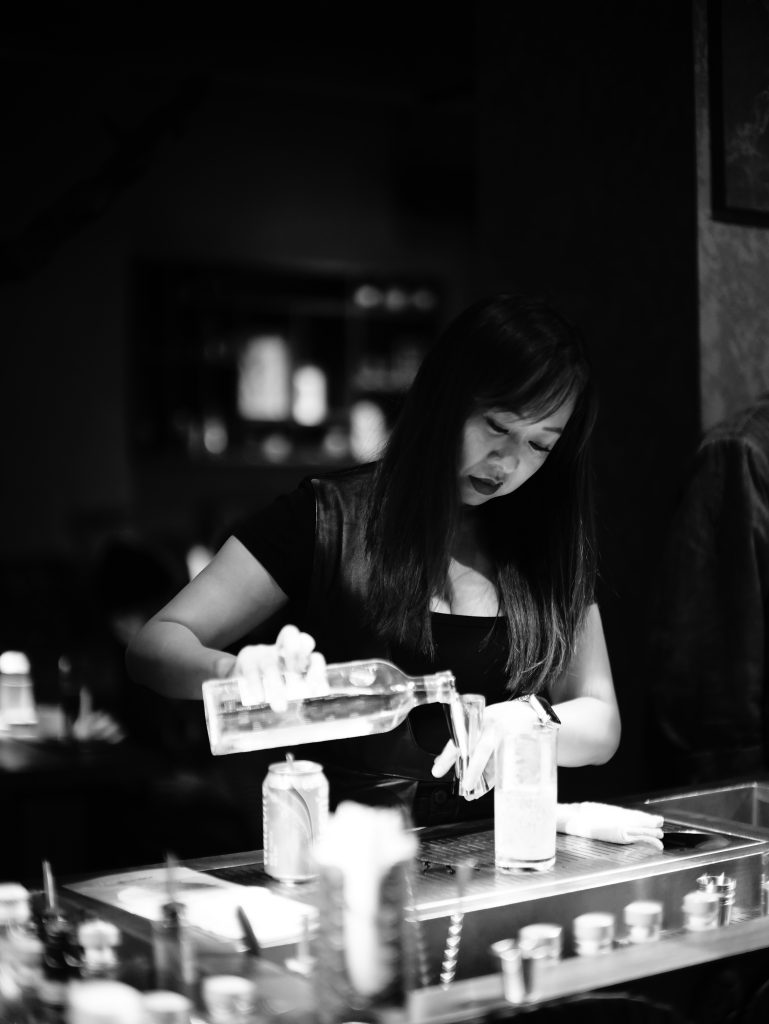
Phoebe’s process begins away from the surface. Flavor structure, ingredients, and narrative come first. Only once these elements are clear does she turn to visual design. Presentation, in her view, is not a separate creative act, but the closing chapter of the same story.
“Designing a cocktail’s visual presentation marks the final step of its creation.”
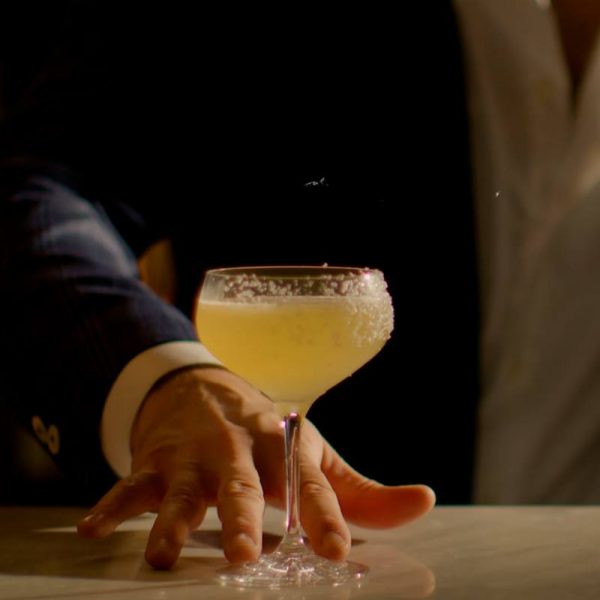
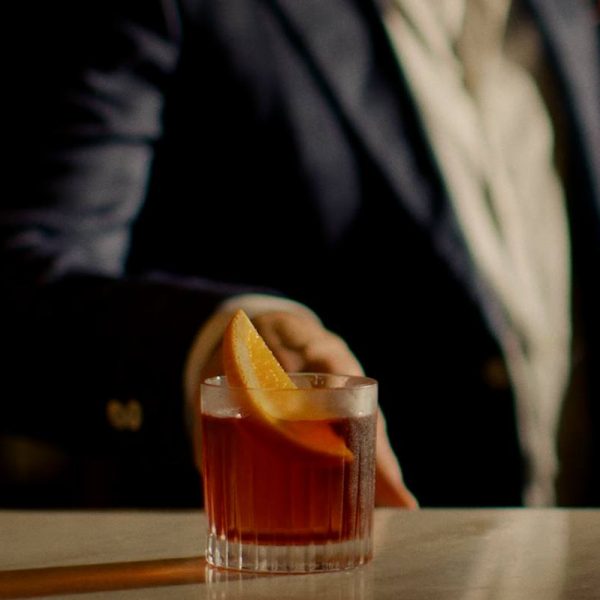
Glassware, garnish, and form are treated as one system, not individual highlights. Each choice must support the concept rather than compete for attention. When visuals are aligned with intention, they build trust. Guests approach the drink with a sense of coherence, already forming expectations about balance and mood.
“A cocktail’s name, core ingredients, and visual presentation are seamlessly cohesive. This harmonious look builds eager anticipation for guests.”
By the time the drink is tasted, the guest is not surprised. The visual has already done its work, preparing the palate and the mind to receive what follows.
When Culture Becomes Context, Not Decoration
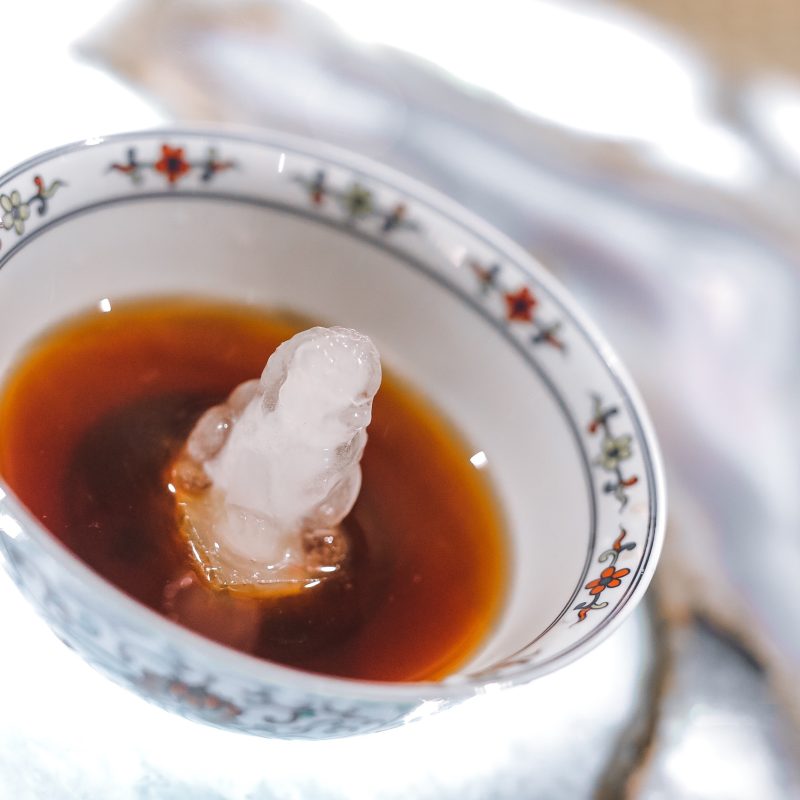
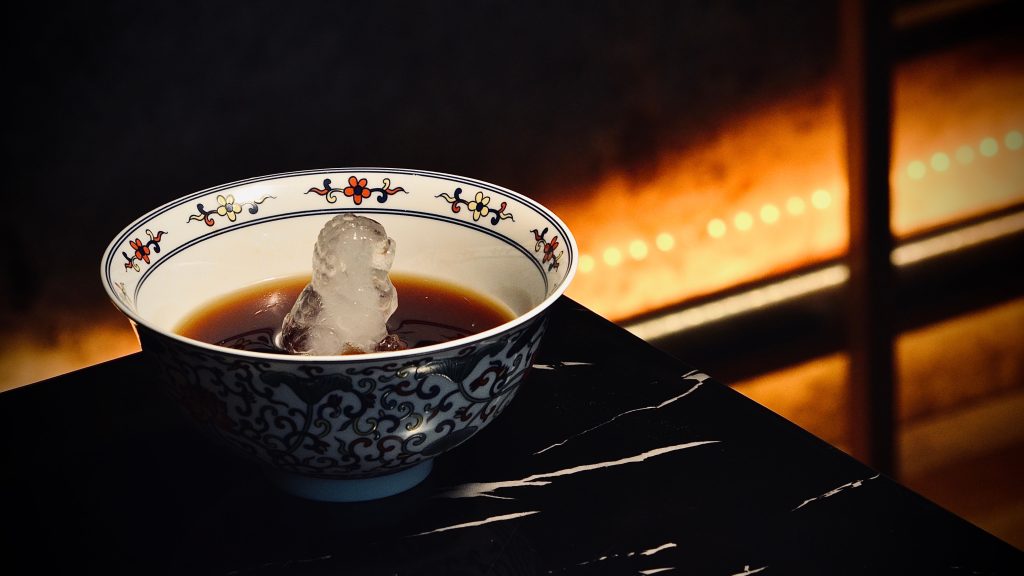
One cocktail at Healer Bar is served in a Chinese porcelain bowl. At first glance, it may appear decorative, even traditional. But the choice is grounded in history rather than aesthetics alone.
Phoebe selected the bowl as a reference to Mandarin porcelain exported to Europe centuries ago, vessels that were later used overseas for punch-style cocktails. The object itself becomes a quiet link between cultures, reflecting movement, exchange, and adaptation.
“I serve this cocktail in a Chinese porcelain bowl, much like the Mandarin bowls exported to Europe centuries ago.”
The meaning reveals itself gradually. What initially reads as a visual cue becomes part of a larger story once the drink is finished and its background understood.
“At first glance, the bowl seems no more than a Chinese-style decoration, but finishing the drink and reflecting on its tale will leave you with a completely different impression.”
Here, sight invites curiosity rather than delivering immediate answers. It encourages guests to slow down and engage beyond the surface.
Ice as Presence, Not Just Temperature
Ice is often treated as a technical necessity, but at Healer Bar it is considered part of the drink’s visual language. In this cocktail, an ice lion sits inside the porcelain bowl, gradually melting as the guest drinks.
“The presentation of ice is undoubtedly part of a cocktail, as it is also a visual element.”
The ice serves multiple roles. It controls temperature, subtly shifts flavor, and adds presence to the serve. Visually, it gives weight and intention. Emotionally, it signals care. The drink feels considered, alive, and evolving rather than static.
By treating ice as design rather than background, sight begins to connect naturally with touch and taste. What the guest sees influences how they sip, how long they stay with the drink, and how they remember it.
Beauty With Responsibility
Visual intention, however, is never allowed to override comfort. Phoebe is clear that presentation must always support the guest’s experience. Over time, she has adjusted designs after observing how people interact with a drink.
“There are times when sticking to a cohesive visual style ends up making it inconvenient for guests.”
Some glassware, while visually striking, can be awkward to hold. Some designs may look complete but interfere with ease of drinking. These moments become reminders that beauty must serve hospitality, not challenge it.
In a time when many cocktails are first encountered through social media, this balance is increasingly important. Phoebe does not see visual appeal and authenticity as opposing forces.
“A good-looking drink is itself a clear sign of better taste in aesthetics.”
For her, flavor, story, and beauty exist side by side. Developing a strong visual sense is part of being a thoughtful bartender, not a compromise.
Sight also helps guests approach unfamiliar flavors with confidence. Color, clarity, and texture offer subtle cues about strength and structure. While visuals cannot change preference, they help form mental expectations. When paired with clear explanation from staff, they allow guests to taste with greater understanding.
Looking ahead, Phoebe believes cocktail visuals will continue to evolve in multiple directions. Some will move toward simplicity, others toward complexity. What matters most is intention. Every visual choice should reflect why the drink exists in the first place.
At Healer Bar, sight is not treated as atmosphere or surface appeal. It is treated as identity. It communicates values, history, and care. In reframing sight as meaning rather than decoration, Phoebe reminds us that what we see at the bar shapes how we feel, how we taste, and how we remember.
More Articles
Article
The future is yours to create: So-yeon Kim (Alice)So-yeon Kim, also known as Alice, is a bartender based in South Korea whose approach to hospitality is rooted in emotional awareness and quiet observation. Drawn to bartending through curiosity rather than convention, she sees cocktails as moments shaped by memory, mood, and human connection. As a Campari Red Hands APAC 2025 finalist for South […]
Article
The future is yours to create: Phirun LekPhirun Lek is a lead bartender at SORA Phnom Penh, a venue that marked both the beginning and the foundation of his bartending career. Starting in hospitality through service roles before finding his place behind the bar, his journey reflects steady growth shaped by curiosity, practice, and people. With a mindset rooted in learning and […]

Article
Drink Like a Local: Macau with Frankie LeongExplore Macau with Frankie Leong, to discover a compact city where Chinese and Portuguese cultures meet through layered histories, late-night rituals, comfort-driven food, and a quietly evolving cocktail scene. Macau is often described through contrast: a city shaped by centuries of exchange between East and West, where Chinese traditions and Portuguese heritage coexist in daily […]
Article
The future is yours to create: Liu Yuan (Kim)Liu Yuan, also known as Kim, is a bartender at Wing Lei Bar in Macau whose journey into hospitality began with curiosity rather than convention. Drawn into the world of cocktails through a single, formative experience, she approaches bartending with a balance of discipline, creativity, and openness to discovery. As the first bartender from Macau […]
Article
The future is yours to create: Thanesh JoelThanesh Joel is a bartender whose relationship with hospitality is shaped less by ambition and more by curiosity. Based in Penang and deeply rooted at Backdoor Bodega, his work reflects a mindset driven by understanding, of flavour, systems, and human behaviour. As the Campari Red Hands APAC 2025 finalist for Malaysia, he approaches competition not […]

Article
The future is yours to create: Hiroyuki YamadaHiroyuki Yamada is a bartender at Bee’s Knees in Kyoto, whose path into hospitality began quietly during his student years. What started as a part-time job at an izakaya became a long-term commitment to service, shaped by daily human interaction and cultural exchange. As the Campari Red Hands APAC 2025 finalist for Japan, he approaches […]
Discover More
Article
Before the First Sip: The Quiet Power of Touch in CocktailsThe Five Senses of the Bar explores the bar experience through sight, smell, taste, touch, and hearing. In this chapter, the focus is on touch, often the most overlooked sense guests engage with. Long before a cocktail is judged on flavor or balance, it is felt, through temperature, weight, texture, and the physical signals that […]
Article
Scent Is Service: How Smell Shapes the Bar ExperienceThe Five Senses of the Bar explores the bar experience through sight, smell, taste, touch, and hearing. In this chapter, the focus is on smell, often the first and most immediate sense guests engage with. Long before a menu is opened or a drink is poured, scent shapes expectation the moment a door opens, quietly […]
Article
From BPM to Belonging: How Music Shapes the Bar ExperienceThe Five Senses of the Bar explores the bar experience through sight, smell, taste, touch, and hearing. In this chapter, the focus is on sound, often the first sense guests engage with. Long before taste or aroma, music sets the tone the moment a door opens, signaling what kind of space it is, how to […]
Article
Extracting flavour series: Breaking down how supercritical fluid extraction worksIn the fourth instalment of our series on extracting flavour, head distiller and co-founder of Hepple Spirits Company Chris Garden explains how Hepple uses supercritical fluid extraction to extract juniper oil. Supercritical fluid extraction is used in many industries, from the fragrance industry through to the pharmaceutical industry. By applying high pressure and temperature to […]
Article
Up Close & Personal: Missy Flynn, Rita’sThe third interviewee of our video series is Missy Flynn, co-owner of Rita’s in London’s Soho. She lays bare the business’s early problems, the implications it has had on who she trusts, and the reality of running your own restaurant
Article
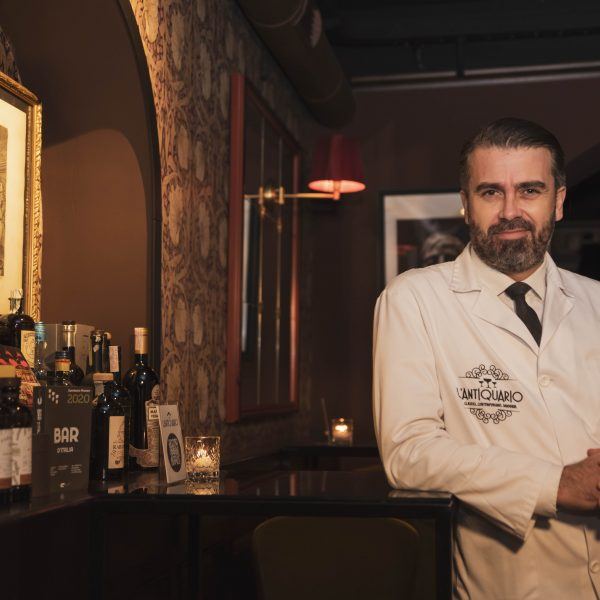
Hospitality Wears White: Alex Frezza and L'AntiquarioRight by the Gulf of Naples, L'Antiquario is bringing old school hospitality back to the city. Find out the importance of a White Jacket with Alex Frezza